
Design internship programs can offer companies a powerful mix of fresh creativity, emerging digital fluency, and long-term talent development. However, managing design interns well requires more than assigning tasks and reviewing visuals. Interns need structured feedback, clear briefs, consistent check-ins, learning resources, portfolio guidance, and visibility into how professional design teams operate. This is where AI tools can help companies create more organized, supportive, and productive internship experiences.
TLDR: Companies should use AI tools for managing design interns because they make onboarding, task assignment, feedback, and progress tracking more efficient. AI can help design managers save time while giving interns clearer guidance and faster learning support. These tools also improve consistency, reduce administrative work, and help companies identify promising creative talent more effectively.
AI Helps Companies Create Better Internship Structure
Many design internships fail to reach their full potential because the experience is poorly structured. Interns may receive vague assignments, inconsistent feedback, or limited exposure to real design workflows. AI tools can help companies build a more organized program by supporting task planning, documentation, learning paths, and performance tracking.
For example, AI systems can help managers generate internship roadmaps based on the intern’s skill level, department needs, and available projects. A company may define milestones such as learning brand guidelines, creating social media graphics, assisting with user interface mockups, or preparing presentation decks. AI can then help break these goals into weekly tasks with measurable outcomes.
This level of structure benefits both the company and the intern. The intern understands what is expected, while the manager has a clear framework for evaluating progress. Instead of improvising each week, the design team can rely on a more intentional process.

AI Improves Onboarding for Design Interns
Onboarding is one of the most important stages of any internship. New design interns often need to learn company tools, file naming systems, brand rules, collaboration habits, and approval workflows. Without proper onboarding, interns may feel overwhelmed and managers may spend significant time answering repetitive questions.
AI-powered onboarding assistants can provide interns with quick access to policies, brand documents, project templates, and frequently asked questions. Instead of waiting for a busy designer to explain where assets are stored, an intern can ask an AI assistant and receive immediate guidance.
AI tools can also create personalized onboarding checklists. If an intern is focused on graphic design, the checklist may include brand typography, campaign asset formats, and image export settings. If the intern is working in product design, the checklist may include design system components, prototyping standards, and usability testing basics.
This does not replace human mentoring. Rather, it gives mentors more time for meaningful conversations while AI handles routine information delivery.
AI Makes Task Assignment More Efficient
Design managers often balance multiple campaigns, product launches, internal requests, and creative reviews. Assigning the right tasks to interns can be difficult, especially when managers must consider deadlines, skill levels, learning objectives, and project complexity.
AI tools can assist by analyzing available tasks and matching them with intern capabilities. A beginner may be assigned simple layout refinements or asset resizing, while a more advanced intern may be given wireframe exploration or visual concept development. This helps companies avoid two common problems: giving interns work that is too easy and unchallenging, or giving them projects that are too complex without enough support.
AI can also recommend task sequences. For example, an intern might first study existing brand materials, then recreate a sample layout, then adapt that layout for a new campaign. This gradual progression supports learning while still contributing to real business needs.
AI Supports Faster and More Consistent Feedback
Feedback is essential in design education, but it can also be time-consuming. Managers must review layouts, explain design decisions, suggest improvements, and help interns understand the reasoning behind revisions. When feedback is delayed, interns lose momentum and may repeat the same mistakes.
AI tools can provide preliminary feedback on areas such as alignment, contrast, spacing, readability, accessibility, and consistency with design guidelines. While AI should not be treated as the final creative authority, it can help interns identify basic issues before submitting work to a human reviewer.
This creates a stronger review process. Interns can make initial improvements independently, and senior designers can focus on higher-level critique, including concept strength, audience fit, brand expression, and emotional impact.
Consistent feedback also helps companies maintain quality across intern work. Instead of every intern receiving different levels of support depending on manager availability, AI can offer a baseline of guidance that keeps learning more equitable.
AI Encourages Independent Learning
Design interns are typically still building confidence. They may hesitate to ask questions, especially if the team seems busy. AI tools can create a safer learning environment by offering immediate explanations, examples, and suggestions.
An intern might ask an AI assistant to explain the difference between visual hierarchy and information architecture, summarize accessibility best practices, or suggest ways to improve a presentation layout. This provides interns with learning support at the moment they need it.
Companies benefit because interns become more capable of solving problems independently. Instead of relying entirely on supervisors, interns can use AI as a learning companion. This encourages curiosity, experimentation, and self-directed growth.
- Interns can ask basic questions without fear of embarrassment.
- Managers spend less time repeating the same explanations.
- Teams gain interns who learn faster and contribute sooner.
AI Helps Track Progress and Performance
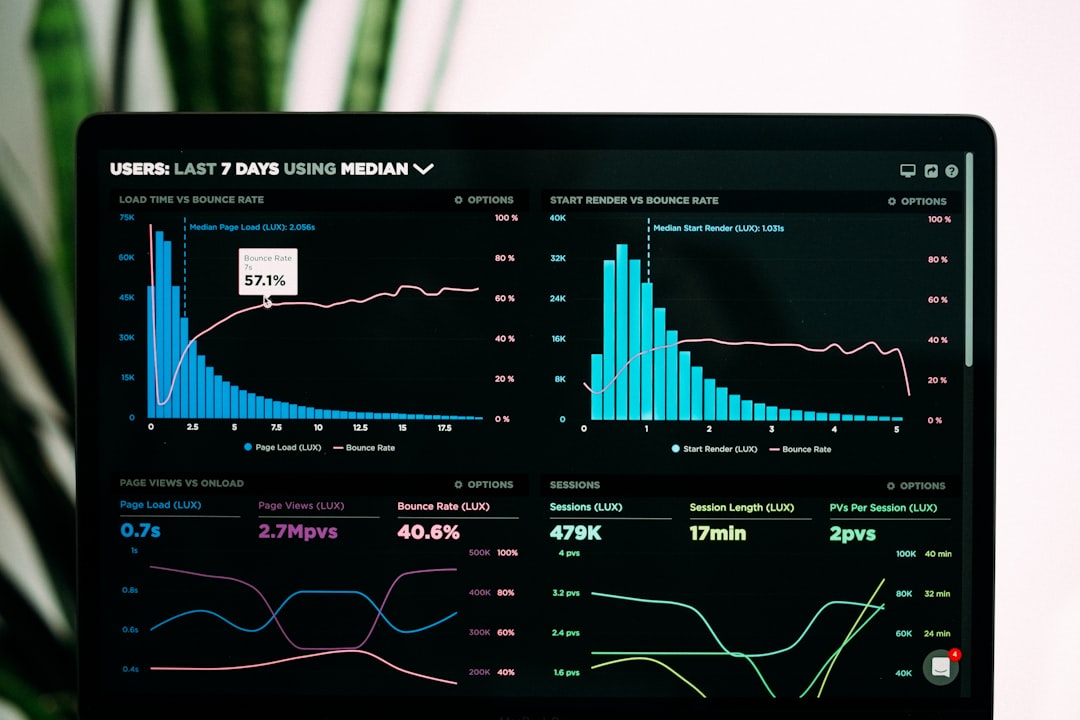
Measuring intern performance can be difficult when feedback is scattered across emails, chat messages, design files, and meeting notes. AI tools can help companies gather and summarize progress data more effectively.
For example, AI can help track completed assignments, revision cycles, feedback themes, missed deadlines, skill improvements, and collaboration patterns. A manager may receive a summary showing that an intern has improved in layout composition but still needs support with typography or design rationale.
This makes performance reviews more objective and useful. Rather than relying on memory or general impressions, companies can evaluate interns based on documented progress. Interns also receive clearer insight into their strengths and development areas.
AI Reduces Administrative Work for Design Managers
Managing interns involves many administrative tasks: scheduling meetings, writing task briefs, summarizing feedback, updating project boards, documenting progress, and preparing review notes. These tasks matter, but they can take time away from strategic creative work.
AI tools can automate or simplify much of this administration. They can draft project briefs, transform meeting notes into action items, generate weekly progress summaries, and remind interns about upcoming deadlines. They can also help managers prepare structured review forms or development plans.
For busy design teams, this efficiency is valuable. It allows managers to focus on mentoring, creative direction, and quality control rather than spending too much time on repetitive documentation.
AI Improves Communication Across Teams
Design interns often interact with marketing, product, engineering, content, or sales teams. Miscommunication can easily happen when interns are unfamiliar with company language, project goals, or stakeholder expectations.
AI tools can help translate complex requests into clearer design briefs. If a stakeholder submits a vague request, AI can help identify missing details such as target audience, format, deadline, message priority, and required deliverables. This protects interns from confusion and helps managers ensure that assignments are complete before work begins.
AI can also summarize long conversations or meeting transcripts so interns can quickly understand decisions and next steps. This is especially useful in hybrid or remote workplaces, where interns may not always have the same informal learning opportunities as full-time employees.
AI Supports Better Creative Briefs
A strong design brief gives interns the context they need to produce useful work. A weak brief can lead to wasted time, frustration, and unnecessary revisions. AI tools can help companies create clearer briefs by prompting managers to include essential information.
A well-structured AI-supported brief may include:
- Project objective: What the design should accomplish.
- Target audience: Who the design is intended to reach.
- Brand requirements: Colors, typography, tone, and visual rules.
- Deliverables: File types, dimensions, and formats.
- Timeline: Draft deadlines, review dates, and final due date.
- Success criteria: How the work will be evaluated.
When interns receive better briefs, they are more likely to deliver work that aligns with business goals. This makes the internship more productive and less stressful for everyone involved.
AI Can Strengthen Portfolio Development
Many design interns care deeply about building a strong portfolio. Companies that support portfolio development often create a better intern experience and improve their reputation among emerging designers.
AI tools can help interns document project goals, design decisions, process steps, and outcomes. They can also help interns write case study drafts, organize project summaries, and reflect on what they learned. Managers can then review these materials to ensure that confidential information is removed and that the intern’s portfolio accurately represents their contribution.
This benefits companies as well. Interns who leave with strong portfolio pieces are more likely to speak positively about the organization. They may also become future job candidates who already understand the company’s design culture.
AI Helps Identify Future Design Talent
Internship programs are often a pipeline for future hiring. Companies want to know which interns have the creativity, discipline, communication skills, and growth mindset needed for full-time roles. AI tools can support this evaluation by organizing performance evidence over time.
Instead of making hiring decisions based only on final presentations or manager preference, companies can review patterns. AI may help summarize how an intern handled feedback, met deadlines, collaborated with others, and improved across assignments.
This creates a more complete view of the intern’s potential. It also helps reduce bias by encouraging decisions based on documented behaviors and measurable progress.
AI Encourages Inclusive and Accessible Design Practices
Modern design teams must consider accessibility, inclusivity, and ethical communication. Interns may not yet be familiar with accessibility standards or inclusive visual practices. AI tools can help remind them to check color contrast, readable font sizes, alt text needs, diverse representation, and user-friendly layouts.
By integrating these reminders into the design process, companies teach interns that accessibility is not an afterthought. It becomes part of everyday creative decision-making. This strengthens both intern education and the quality of the company’s design output.
AI Should Support, Not Replace, Human Mentorship
Although AI tools offer many advantages, companies should not use them as a substitute for human guidance. Design is a deeply human discipline involving taste, emotion, cultural understanding, strategy, and collaboration. Interns still need real mentors who can explain business context, share professional judgment, and provide encouragement.
The most effective approach is a balanced one. AI can handle repetitive, administrative, and instructional support, while managers focus on coaching, critique, and creative development. This combination gives interns both efficiency and personal mentorship.
AI is most valuable when it makes managers more available, not less involved. Companies should use it to improve the internship experience rather than distance interns from the team.
Best Practices for Using AI With Design Interns
Companies should introduce AI tools thoughtfully. Clear guidelines help interns understand when AI is appropriate and when human review is required. They should also be taught to question AI outputs rather than accept them automatically.
- Set clear AI usage rules: Interns should know which tools are approved and what data they may enter.
- Protect confidential information: Companies should avoid placing sensitive client or product details into unsecured AI systems.
- Require human review: AI feedback should support, not replace, professional design critique.
- Teach critical thinking: Interns should evaluate AI suggestions through brand, audience, and strategy lenses.
- Document learning: AI-assisted progress summaries can help interns reflect on their development.
Conclusion
Companies should use AI tools for managing design interns because these tools make internship programs more structured, efficient, and educational. AI can improve onboarding, task assignment, feedback, communication, progress tracking, and portfolio development. It allows design managers to spend less time on repetitive administration and more time providing meaningful mentorship.
When used responsibly, AI helps interns learn faster and contribute more confidently. It also helps companies build stronger talent pipelines and more consistent creative processes. The best results come when AI supports human expertise, giving interns both smart digital assistance and the thoughtful guidance of experienced design professionals.
FAQ
Why should companies use AI tools to manage design interns?
Companies should use AI tools because they help organize onboarding, assign suitable tasks, provide quick feedback, track progress, and reduce administrative work for managers.
Can AI replace a design mentor?
No. AI can support learning and workflow management, but design interns still need human mentors for creative judgment, professional guidance, and strategic feedback.
How can AI improve feedback for design interns?
AI can identify basic design issues such as spacing, contrast, consistency, and readability. This allows interns to improve drafts before receiving deeper critique from a senior designer.
Is AI useful for remote design internships?
Yes. AI can help remote interns access information, summarize meetings, clarify tasks, and stay aligned with team expectations even when they are not working in the same physical office.
What risks should companies consider when using AI with interns?
Companies should consider data privacy, overreliance on AI suggestions, inaccurate outputs, and the need for human review. Clear policies and secure tools are essential.
How does AI help companies identify strong intern candidates for future roles?
AI can summarize performance patterns, completed work, feedback history, and skill growth. This gives companies a clearer picture of which interns may be strong candidates for full-time positions.