
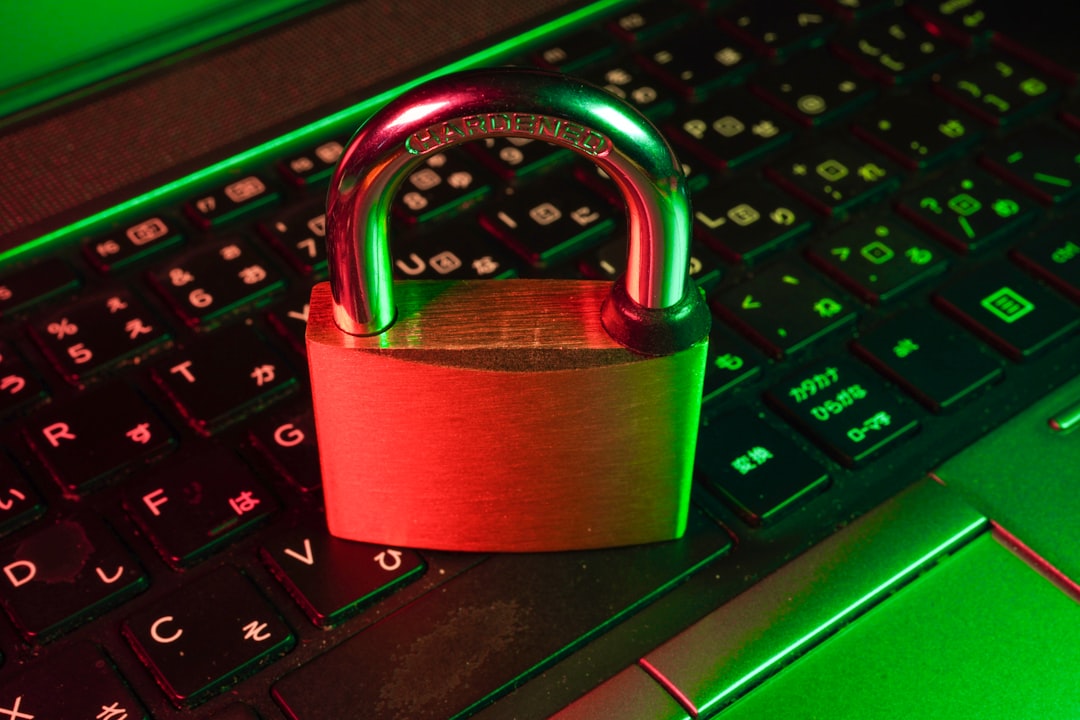
In an increasingly digital world, safeguarding personal data has become more critical than ever. Every time someone signs up for an online account, subscribes to a newsletter, or fills out a job application, they’re often required to share personal information. This kind of data, formally known as Personally Identifiable Information (PII), can be a goldmine for identity thieves, hackers, and scammers if not properly protected.
TL;DR
Personally Identifiable Information (PII) refers to any data that can be used to identify a specific individual, such as names, addresses, or Social Security numbers. It’s essential to protect PII from unauthorized access to prevent identity theft and financial fraud. Safeguarding methods include strong passwords, multi-factor authentication, data encryption, and user education. Understanding PII and implementing best practices is the cornerstone of digital privacy and safety.
What Is Personally Identifiable Information (PII)?
PII is any data that can be used to identify, contact, or locate a single person—or identify an individual in context. Depending on the jurisdiction, PII can have slightly different definitions, but it broadly includes two categories:
- Direct Identifiers: Information that can identify a person on its own, such as full name, Social Security number, driver’s license number, or biometric data.
- Indirect Identifiers: Data that, when combined with other pieces, can reveal someone’s identity. Examples include birth dates, ZIP codes, gender, or job titles.
Companies, government agencies, educational institutions, and even non-profits all store and manage PII, making it crucial for them—and the individuals they serve—to understand and secure this sensitive information.
Why Is PII Important?
PII is at the heart of data privacy concerns because it is often the target of cyberattacks and misuse. If exposed or stolen, it can be used to:
- Commit identity theft
- Access financial accounts and make fraudulent transactions
- Open unauthorized accounts in someone else’s name
- Execute phishing and social engineering schemes
For organizations, losing control over PII can result in severe financial penalties, loss of customer trust, and tarnished reputations, especially with data regulations like the General Data Protection Regulation (GDPR) and the California Consumer Privacy Act (CCPA) in force.
Common Types of PII
PII comes in many forms. Below is a non-exhaustive list of commonly recognized PII elements:
- Full name
- Home address
- Email addresses
- Phone number
- Social Security number
- Driver’s license or government-issued ID
- Bank account numbers
- Credit card numbers
- Login credentials (username and password)
- Biometrics (fingerprints, facial recognition data)
- IP address (under certain legal frameworks)
Even anonymized data sets can sometimes be re-identified when cross-referenced with other datasets, raising further concerns about how PII is collected and stored.
How to Safeguard Personally Identifiable Information
Protecting PII requires a combination of technical safeguards, policies, and user awareness. Here’s how individuals and organizations can secure this sensitive data:
1. Implement Strong Authentication Measures
Whenever possible, use multi-factor authentication (MFA) in addition to strong, unique passwords. MFA adds an extra layer of security by requiring a second form of identification, such as a text message or an authentication app.
2. Encrypt Sensitive Data
Encryption ensures that even if unauthorized users obtain your data, they won’t be able to understand or use it. Sensitive files, especially those stored in the cloud, should always be encrypted both in transit and at rest.
3. Limit Data Collection and Access
Organizations should follow the principle of data minimization, collecting only the data absolutely necessary for their operations. Limit access to PII only to employees who need it to perform their job. Implementing role-based access controls can help enforce this.
4. Keep Software Updated
Regularly update all systems, including antivirus programs and operating systems, to patch vulnerabilities that could be exploited by attackers.
5. Educate Employees and Users
Cybersecurity training is essential. Many data breaches are the result of human error, such as falling for phishing scams or using weak passwords. Ongoing education fosters a culture of security awareness.

6. Secure Physical Documents
PII isn’t always digital. Paper documents should be securely stored in locked cabinets and shredded when no longer needed.
7. Back Up Data Regularly
Backing up important data ensures that it can be recovered quickly in the event of data loss, ransomware attacks, or accidental deletion.
8. Monitor and Audit Access Logs
Keep a close eye on who is accessing sensitive data and when. Unusual patterns might indicate a security compromise that needs immediate attention.
PII Compliance and Regulations
Various laws and standards govern how PII should be collected, used, and protected. These include:
- GDPR: European Union regulation that enforces strict privacy protections on data collected from EU citizens.
- CCPA: California-based law giving residents more control over their personal data and how it’s used by businesses.
- HIPAA: Protects health-related PII in the United States.
- FERPA: Safeguards educational records of students.
Organizations that handle PII need to be aware of and compliant with relevant regulations, conducting regular audits and reviews to ensure alignment with data protection laws.
The Future of PII Protection
As technologies evolve, so do the threats to personal data. Innovations like artificial intelligence, the Internet of Things (IoT), and blockchain change the landscape of data privacy. While they introduce new efficiencies, they also present unique risks that must be carefully managed.
It is likely that data privacy regulations will expand, becoming more unified and detailed across different regions. Regardless of technical advancements, a layered and proactive approach will remain the most effective way to protect PII in the future.
Conclusion
Personally Identifiable Information lies at the heart of digital identity. While the convenience of online services continues to increase, so does the risk of data exposure. Whether you’re an individual taking control of your digital habits or an organization managing user data, it’s essential to treat PII with care and diligence. Proactive protection not only secures personal integrity but also fosters trust in a connected world.
Frequently Asked Questions (FAQ)
- What is considered PII?
- PII includes any data that can identify a specific individual, such as names, Social Security numbers, email addresses, and biometric records.
- Is an IP address classified as PII?
- In certain jurisdictions like the European Union under GDPR, an IP address can be considered PII if it can be linked to a specific individual.
- How do I know if my PII has been compromised?
- Signs can include unexpected bank account activity, unfamiliar logins to your accounts, notifications from companies about breaches, or receiving strange emails.
- Can indirect information be used to identify someone?
- Yes, indirect identifiers like birth dates or ZIP codes can be combined to reveal someone’s identity, especially when used alongside other available data.
- What should I do if I suspect PII theft?
- Contact relevant authorities, freeze your credit, change affected passwords, and monitor your bank accounts and credit reports for suspicious activity.