
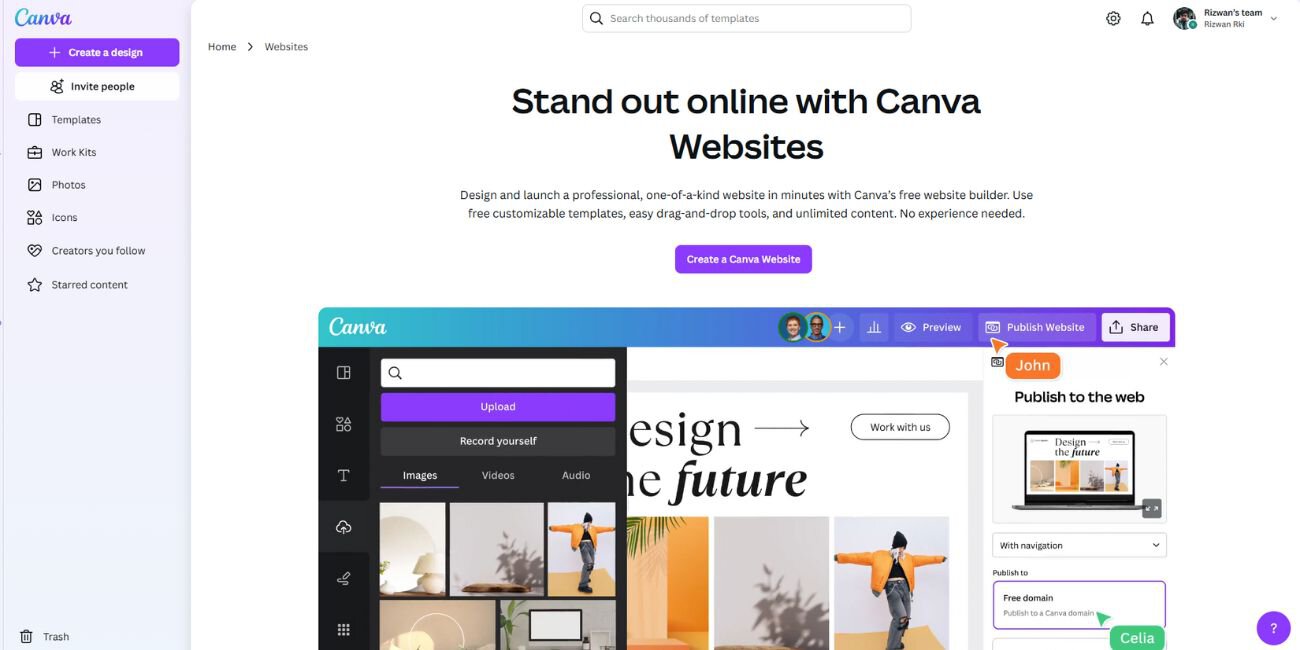
Creating high-converting app landing pages has become a crucial extension of a mobile product’s success. With fierce competition in app markets and limited space to capture user interest, crafting a professional, fast-loading, and compelling landing page greatly increases the chances of user acquisition. Website builders make this process faster and easier, especially for startups and individual creators without development teams.
TL;DR
Website builders are a powerful tool for designing optimized app landing pages quickly and effectively. By selecting the right platform with mobile-responsive templates, advanced A/B testing, and seamless integrations, creators can significantly boost user acquisition rates. This article explores the best options available, key features to look out for, and common mistakes to avoid. Whether you’re launching your first app or rebranding an existing one, understanding these tools can elevate your digital marketing game.
Why Optimized App Landing Pages Matter
First impressions count, and in the world of mobile apps, the landing page is often the user’s very first touchpoint. Effective landing pages do more than just describe an app; they guide potential users to take action—whether that’s downloading the app, subscribing for updates, or making a purchase. A well-optimized landing page:
- Increases conversion rates
- Communicates app value clearly
- Ranks better in search results
- Encourages social sharing
User acquisition strategy starts with engagement. If your landing page doesn’t convert visitors into users, even the best app will struggle to grow.
What to Look for in a Website Builder for App Landing Pages
There are numerous website builders available, but not all are designed with user acquisition in mind. Below are essential features to consider when choosing a builder:
- Mobile Responsiveness: Ensure that templates adapt beautifully on smartphones and tablets.
- Fast Load Speeds: A one-second delay can reduce conversion by up to 7%.
- Built-in A/B Testing: Allows you to experiment with different headlines, CTAs, or images to find what works best.
- SEO Tools: Enhance discoverability through optimized metadata, URLs, and image alt tags.
- Third-party Integrations: Connect seamlessly with tools like Google Analytics, Mailchimp, or Hotjar.
Top Website Builders for App Landing Pages
1. Webflow
Best for design flexibility and professional layout control
Webflow offers pixel-perfect control over layout and interactions. It’s ideal for product teams who want complete creative freedom without having to dive into code. Its CMS capabilities and SEO tools stand out for deploying scalable content solutions.
Key Features:
- Fully responsive design blocks
- Robust SEO tools
- Integrated animations and custom triggers
- Code export feature
2. Carrd
Best for simple, single-page app landing sites
Carrd is a minimalist solution perfect for launching quick, clean, and compelling landing pages. It supports custom domains, integrations, and mobile responsiveness, all with a very low pricing barrier.
Key Features:
- Simple drag-and-drop builder
- SSL, custom domains, and forms
- Third-party embed options
- Great for MVPs and indie developers

3. Leadpages
Best for marketers who prioritize lead generation and A/B testing
Leadpages offers a catalog of high-converting templates and focuses heavily on analytics, conversion tracking, and split testing. It’s perfect for campaigns devoted to paid ad traffic and capturing emails or registrations.
Key Features:
- Real-time conversion tips
- Built-in A/B testing
- Over 200 pre-designed templates
- Seamless email marketing integrations
4. Unbounce
Best for AI-driven optimization and advanced A/B testing
Unbounce is known for its Smart Traffic and AI-powered recommendations. This builder suits teams managing multiple campaigns looking to leverage data to improve conversion performance over time.
Key Features:
- AI-based traffic optimization
- Drag-and-drop editor
- Dynamic text replacement for ad consistency
- Robust analytics dashboard
Design Tips for High-Converting App Pages
Even with the best builder, poor design decisions can weaken the performance of a landing page. Here are some of the top design principles to keep users engaged and converting:
- Use Clear Calls-To-Action (CTAs): Make sure every page guides users toward one primary action.
- Showcase Visuals of the App: Include device mockups, screenshots, or videos that display app features.
- Keep Copy Concise: Make every headline and body text count—clarity is king.
- Social Proof: Add user reviews, testimonials, and trust badges for credibility.
- Highlight Value Proposition: Answer the question: “Why should I download this app?”
Common Pitfalls to Avoid
As you’re building or revamping your app landing page, avoid these mistakes that can hurt user acquisition:
- Overloading with Features: Too many details can overwhelm users—keep it focused.
- Ignoring Page Speed: Heavy graphics or slow scripts can decrease conversions.
- Weak CTAs: Generic buttons like “Click Here” don’t drive action.
- No Mobile Optimization: A poor mobile experience will drive users away instantly.
- Neglecting SEO: Without optimization, organic traffic becomes difficult to sustain.
The Role of Analytics and Testing
Monitoring what works—and what doesn’t—is key to effective optimization. Builders like Leadpages and Unbounce provide testing environments to compare variations of the same page to see which performs best. Consider the following when measuring your page’s success:
- Bounce Rate: High bounce could indicate poor UX or misleading messaging.
- Conversion Rate: This is the true measure of acquisition effectiveness.
- Session Duration: A longer stay often suggests meaningful engagement.
A/B testing elements like headlines, images, CTA button color, and form fields can lead to incremental gains that add up significantly over time.
Conclusion
App landing pages are mission-critical in the pathway from discovery to download. The right website builder simplifies the process, levels the playing field for smaller teams, and supports dynamic iteration for ongoing performance improvement. Whether you’re testing a beta or launching a polished product, focusing on design, functionality, and analytics can substantially increase acquisitions and user retention.
FAQs
- What makes a good app landing page?
- A good landing page communicates the app’s core value quickly, includes persuasive visuals, offers clear CTAs, and is optimized for mobile and page speed.
- Which website builder is best for beginners?
- Carrd and Leadpages are great for beginners due to their intuitive interfaces and pre-designed templates.
- How important is SEO for app landing pages?
- SEO is crucial for driving organic traffic to your page. It ensures that users can discover your app outside of stores like Google Play or Apple App Store.
- Can I launch a landing page without a developer?
- Yes. Modern website builders like Webflow or Unbounce allow complete control without any coding knowledge.
- What should I test on my landing page?
- You should A/B test headlines, CTAs, images, form lengths, and layout to find combinations that drive the most conversions.