



Technology has become an essential support tool for all students, but for those with learning differences like ADHD, dyslexia, and other cognitive challenges, AI-powered tools can make a transformative difference. These students often face unique barriers in traditional educational environments, but the latest advancements in artificial intelligence are helping to level the playing field, enabling more personalized, flexible, and effective learning strategies tailored to individual needs.
TLDR (Too Long, Didn’t Read):
Students with learning differences such as ADHD and dyslexia can thrive with the help of AI tools that support reading, writing, time management, and focus. Tools like Grammarly, Speechify, and Notion AI are making learning more accessible and efficient. From AI reading assistants to smart planners and writing aids, there’s a growing number of innovative resources. These tools can significantly reduce stress and boost confidence for students navigating their academic journey with learning challenges.
Why AI Tools Matter for Students With Learning Differences
Many students deal with challenges involving focus, memory retention, processing speed, and executive functioning. Traditional learning environments often struggle to accommodate these needs fully. However, AI-based tools can interpret patterns, adjust responses based on individual users, and offer real-time support — making them ideal for supporting neurodivergent students.
Here are some of the most effective AI-powered tools currently available to assist students with ADHD, dyslexia, and other learning differences.
1. Grammarly: Helping With Writing Clarity and Confidence
Ideal for: Students with dyslexia, ADHD, or general writing difficulties.
Grammarly is more than just a spell checker. This AI-powered assistant offers grammar corrections, writing suggestions, and tone analysis in real time. Students with dyslexia often struggle with spelling, punctuation, and sentence flow — Grammarly helps ease that burden while teaching improvement along the way.
- Real-time feedback: Makes corrections instantly with explanations.
- Tone detection: Assists students with expressing the right emotion or tone in their writing.
- Browser and app integration: Works with MS Word, Google Docs, and web browsers.
This can be particularly useful for students with ADHD who may rush through work or have trouble organizing thoughts clearly.
2. Speechify: Turn Text Into Audio for Easier Learning
Ideal for: Dyslexic learners and auditory processors.
Speechify allows students to convert written text into high-quality spoken audio using AI-generated voices. For learners who struggle with reading or benefit more from hearing content, this can be a revolutionary tool. You can scan physical textbooks or upload digital files and have them read aloud in a voice of your choice.
- Customization: Change speed and voice to suit listening preferences.
- Multitasking: Listen to readings during workouts or while commuting.
- Cross-platform: Use it on phones, tablets, or computers.


This kind of flexibility is beneficial for maintaining engagement and concentration, especially for students with ADHD who may find reading for extended periods challenging.
3. Notion AI: Organize Your Thoughts and Tasks
Ideal for: Students with ADHD or executive functioning difficulties.
Notion is known for its note-taking and task-management capabilities, and with the integration of Notion AI, it becomes even more helpful for students. It can summarize lecture notes, generate study guides, and even help organize tasks based on deadlines automatically.
- Task automation: Automatically generate to-do lists from your class notes.
- AI-powered summaries: Turn long text into quick, consumable bites.
- Project organization: Great for group projects and study planning.
This structured, adaptive approach can help students who usually struggle with procrastination, missed deadlines, or focus lapses.
4. MindMeister + AI Outlining: Visual Thinking for Complex Topics
Ideal for: Visual learners, ADHD, and students on the autism spectrum.
MindMeister helps students create mind maps to visualize thoughts and subjects. When combined with AI-driven outlining (through plugins or tools like ChatGPT), students can automatically generate mind mapped ideas for essays, reports, or brainstorming sessions.

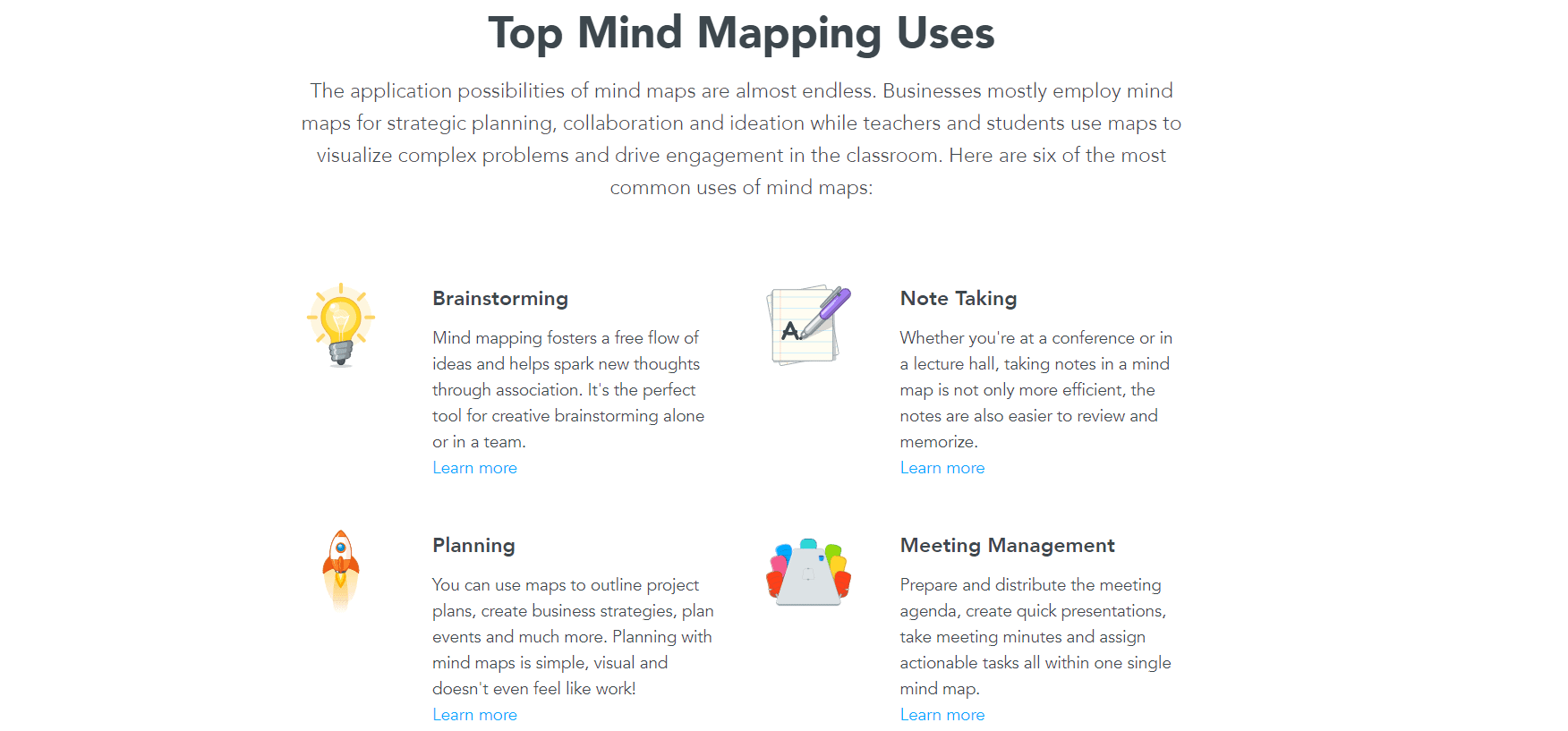
For a student who prefers thinking in visual frameworks or has difficulty following linear note-taking, this can make a remarkable difference in comprehension and idea generation.
5. Otter.ai: Smart Note-Taking
Ideal for: Students with ADHD or auditory processing disorders.
Otter.ai records and transcribes lessons, lectures, or meetings in real-time. It uses AI to detect speakers, summarize key points, and allow students to search transcripts quickly. This removes the pressure of trying to take detailed notes while listening and improves accessibility to course material.
- Voice-to-text transcription: Capture every word, even if attention wanders.
- Searchable text: Quickly locate specific parts of a lecture.
- Automatic summaries: Focus on understanding rather than note-taking.
This means students can focus on absorbing the information, knowing they can revisit the full conversation later.
6. Glean: An AI Smart Recorder With Focused Learning in Mind
Ideal for: Students with ADHD or dyslexia.
Glean takes classroom recordings and helps students organize and condense them into notes that focus on key learning points. This tool encourages active listening — recording everything while giving you the ability to flag important moments mid-lecture.
- Distraction-friendly: Helps refocus after missed moments.
- Interactive notes: Add notes, tags, and slides alongside recordings.
- Cloud-based: Access from anywhere on any device.
The AI refines playback and compiles content into curated summaries — an invaluable asset for managing time and focusing only on the essential material.
7. Microsoft Immersive Reader
Ideal for: Students with dyslexia and language processing challenges.
Microsoft’s Immersive Reader is built into many Microsoft products like Word, OneNote, and Teams. It helps improve reading by highlighting each word as it’s read aloud, breaking words into syllables, and offering visual aids for understanding.
- Text-to-speech: Hear text read back clearly and slowly.
- Line focus: Encourages strong reading habits by narrowing the visual field.
- Grammar support: Color codes parts of speech for better understanding.
It’s especially helpful in reducing anxiety around reading tasks and making written content more digestible.
8. ChatGPT: Your Personal Learning Assistant
Ideal for: All types of learning differences.
ChatGPT by OpenAI can serve as a multipurpose study assistant. It helps students by explaining difficult concepts, creating practice tests, summarizing chapters, and even offering motivation ideas or organizational tips. It’s like having a tutor on-call 24/7.
- Conversational learning: Ask questions in real-time with context-aware answers.
- Homework help: Generate prompts, summaries, and outlines.
- Customizable explanations: Tailor the difficulty or format of content.
For students who need repeated reinforcement, or who benefit from chatting through ideas out loud (or via text)—it’s a lifeline.
Final Thoughts: Personalized Learning Is the Future
The beauty of AI lies in its adaptability. Every student learns differently, and no one tool fits all. But with AI, personalized accommodations are easier than ever to access without special equipment or appointments. These tools remove stigmas and create a more inclusive learning environment—not just for students with diagnosed learning differences, but for any learner who benefits from extra support.
Whether you’re a parent, educator, or student, embracing AI tools can open new paths to confidence, independence, and academic success. As technology rapidly evolves, the future of accessible education looks incredibly promising—and it’s already here.