

Dubai has positioned itself as one of the world’s fastest-growing technology hubs, attracting startups, enterprises, and investors eager to launch the next big mobile platform. At first glance, app development prices in the city may seem straightforward: a basic app costs X, a complex one costs Y. But behind the polished proposals and competitive quotes lies a far more layered financial reality. The real price of Dubai apps often extends well beyond what developers initially mention.
TLDR: The true cost of building an app in Dubai goes far beyond the initial development quote. Hidden expenses such as compliance, infrastructure, localization, design revisions, and long-term maintenance can significantly increase the total investment. Businesses that fail to plan for these additional layers often face budget overruns and delays. Understanding the full financial picture is critical for launching and sustaining a successful app in Dubai’s competitive market.
Dubai’s app market thrives on innovation, luxury branding, and world-class digital experiences. Whether you’re building a fintech solution, an e-commerce marketplace, or a lifestyle platform, expectations are high. Clients want sleek designs, seamless performance, multi-language functionality, and secure integrations. Delivering all that requires far more than just writing code.
1. The Initial Quote: What It Really Covers
Most development agencies in Dubai will break down their pricing into predictable categories:
- UI/UX design
- Front-end and back-end development
- Basic testing
- Project management
At face value, this sounds comprehensive. However, these quotes often reflect ideal scenarios—clear requirements, stable scope, and minimal revisions. In practice, very few projects stay that simple.
Many companies underestimate how frequently ideas evolve during development. Each feature adjustment, additional screen, or workflow change introduces new hours of work. These incremental changes quietly drive costs upward.

2. Compliance and Regulatory Costs
Dubai operates within the legal framework of the UAE, which has strict regulations, particularly around data protection, fintech, healthcare, and e-commerce. Developers rarely highlight the cost implications of these regulatory requirements early on.
You may need to account for:
- Data protection compliance reviews
- Legal consultations
- Security audits
- Payment gateway certifications
For fintech or health-based applications, regulatory compliance alone can add a significant percentage to your overall budget. Security testing, encryption implementation, and compliance documentation are rarely “add-ons”—they are necessities in Dubai’s tightly monitored digital ecosystem.
3. The Price of Premium Design Expectations
Dubai is a city synonymous with luxury and high-end experiences. This expectation spills into digital products. Users in the region are accustomed to visually polished, fluid interfaces that rival global giants.
While some developers include a “basic UI design” in their standard package, truly premium design involves:
- Advanced animations
- Micro-interactions
- High-resolution custom graphics
- User journey optimization
- Extensive usability testing
Each iteration of refinement increases the workload. Businesses that initially budget for simple wireframes often discover halfway through development that they need a more refined product to compete effectively.
4. Localization and Multilingual Functionality
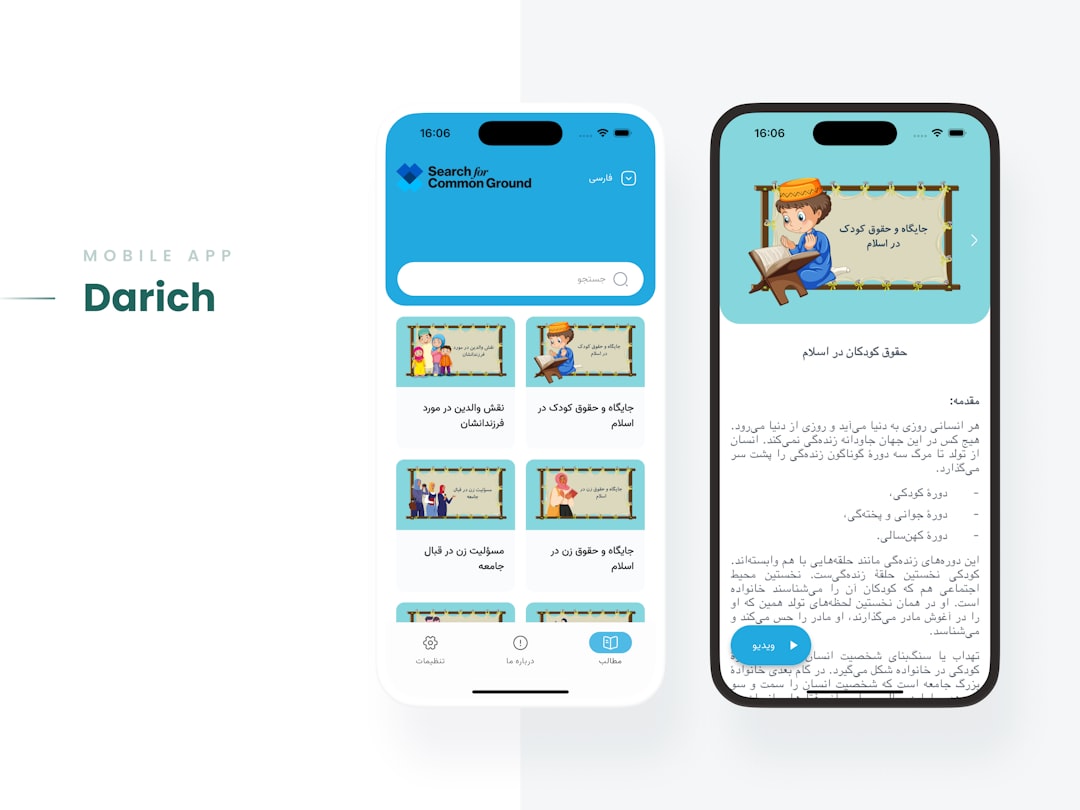
Dubai is home to a diverse, international population. Apps that succeed typically offer both Arabic and English interfaces—at minimum. Localization is not just translation. It involves cultural adjustments, right-to-left layout design, and region-specific user behaviors.
Expanding into additional languages multiplies testing requirements, content adaptation, and interface alignment tasks. If your original quote did not factor in full multilingual architecture, costs can escalate quickly.
5. Backend Infrastructure and Scalability
Many app proposals focus on front-facing features, but behind every smooth interface lies complex backend infrastructure. Server architecture, APIs, database management, and cloud hosting all contribute to your long-term expenses.
Key hidden costs include:
- Cloud hosting fees (AWS, Azure, Google Cloud)
- Database scaling costs
- Content delivery networks
- Security monitoring services
- Ongoing server maintenance
Dubai’s competitive environment means your app must be prepared to scale rapidly. Infrastructure built only for early-stage traffic may require expensive re-engineering later. Scalable architecture costs more upfront, but retrofitting later is even more expensive.
6. Third-Party Integrations
Modern apps rarely operate in isolation. They connect to payment gateways, CRM systems, logistics platforms, analytics tools, authentication services, and more. Each integration comes with two cost layers:
- Development time to integrate
- Recurring subscription or transaction fees
For example, payment providers in the UAE may charge setup fees, ongoing service fees, and per-transaction percentages. These recurring expenses are often overlooked when calculating total app investment.
7. Testing Is Not a One-Time Expense
Basic testing may be included in your developer’s pricing, but comprehensive testing is an ongoing process. Dubai’s market includes users with diverse devices, operating systems, and user behaviors.
Thorough quality assurance includes:
- Cross-device testing
- Performance testing under heavy traffic
- Security penetration testing
- User acceptance testing
Each testing round may lead to refinements and bug fixes, adding further development hours. In complex applications, testing alone can represent a large share of the total cost.
8. Ongoing Maintenance and Updates
One of the biggest misconceptions is that app costs end at launch. In reality, launch is just the beginning. Apps require consistent updates to remain compatible with:
- iOS and Android system updates
- New device models
- Security patches
- Changing user expectations
Most professional agencies offer maintenance contracts, often ranging from 15% to 25% of the initial development cost annually. Skipping maintenance can result in performance issues, security risks, and eventual platform penalties.
9. Marketing and User Acquisition
Even the most elegant app will fail without users. Marketing is frequently excluded from development cost discussions but plays a critical role in overall investment.
Common post-development costs include:
- App Store Optimization (ASO)
- Paid advertising campaigns
- Influencer partnerships
- Social media management
- Press and PR outreach
In Dubai’s crowded digital space, user acquisition can quickly surpass the original development cost. Companies that do not allocate a substantial marketing budget often struggle to gain traction.
10. The Cost of Speed
Dubai businesses often operate on aggressive timelines. Expo events, investment rounds, and market competition push companies to launch quickly. Fast-tracked development usually means:
- Larger development teams
- Overtime wages
- Parallel task execution
- Higher project management intensity
Speed comes at a premium. Fast delivery increases resource allocation and compresses feedback cycles, which may result in more revisions later.
11. Intellectual Property and Ownership Structures
Another area that developers may not emphasize is IP ownership clarity. Contracts must specify:
- Who owns the source code
- Hosting account control
- Access to API credentials
- Post-termination rights
Legal review of development contracts adds upfront cost but prevents expensive disputes later. Skipping legal consultation may lead to restricted access or limitations in future scaling.
12. Opportunity Cost and Internal Resources
Beyond direct financial costs, businesses must also account for internal effort. Founders and managers spend months overseeing development, attending meetings, refining features, and coordinating approvals.
This time investment represents opportunity cost—resources that could otherwise be allocated to partnerships, sales, or investor relations. While not visible in invoices, it significantly impacts overall project expense.
Understanding the True Investment
So what is the real price of a Dubai app? It is not simply the figure presented in the initial proposal. The actual investment includes:
- Strategic planning
- Compliance and security
- Premium design and localization
- Infrastructure and integrations
- Ongoing maintenance
- Marketing and scaling
For simple apps, total costs can exceed initial quotes by 30% to 50%. For complex platforms, the gap may be significantly larger. Transparency varies across providers, but informed clients who ask detailed questions can better anticipate the real financial commitment.
Dubai’s digital ecosystem offers incredible opportunity. The city supports ambitious ideas, cutting-edge technologies, and strong investor backing. However, success requires more than just capital—it requires clarity.
The smartest approach is not to seek the cheapest quote, but the most comprehensive one. By understanding every layer of cost—from development to compliance to scaling—you reduce risk and build a stronger foundation for long-term success.
In the end, the real price of Dubai apps is not hidden intentionally. It is simply embedded in the complexity of building world-class digital products in one of the world’s most dynamic cities. Knowing this reality upfront empowers businesses to plan wisely, allocate resources strategically, and launch with confidence.