


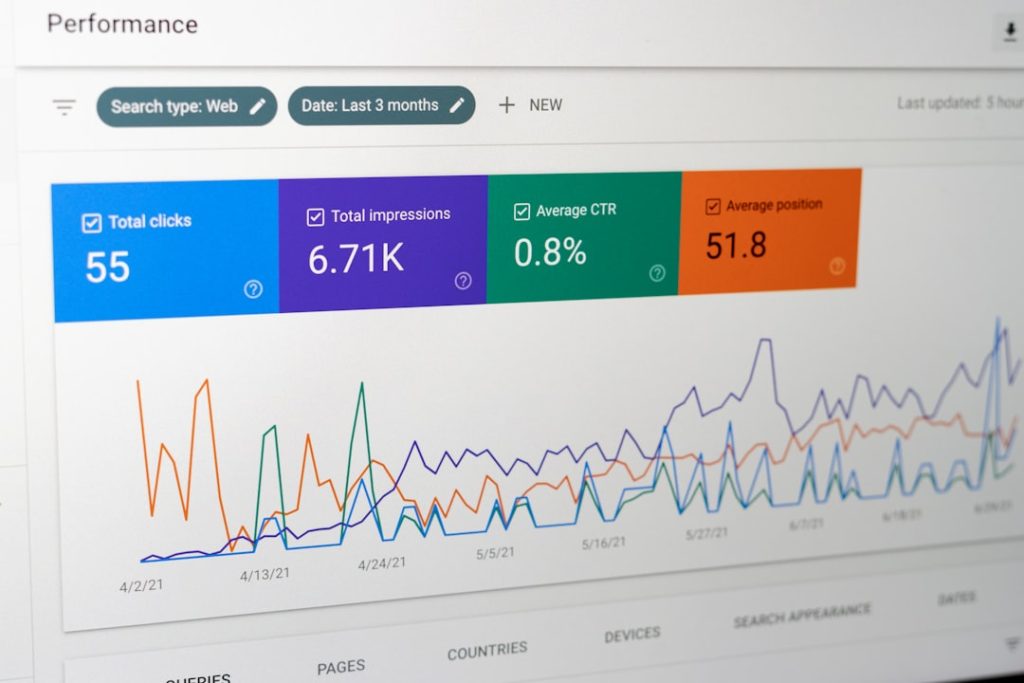
AI SEO tools have become essential for content teams that need to research topics, analyze search intent, optimize pages, and publish faster without sacrificing quality. NeuronWriter is a popular option because it combines semantic SEO recommendations, competitor analysis, content scoring, and AI writing assistance. However, many marketers, agencies, bloggers, and SaaS teams compare multiple platforms before choosing the best fit for their workflow, budget, and content strategy.
TLDR: The best NeuronWriter alternatives include tools such as Surfer SEO, Frase, Clearscope, MarketMuse, Scalenut, Semrush SEO Writing Assistant, PageOptimizer Pro, Dashword, WriterZen, and SE Ranking Content Editor. Each platform offers a different mix of keyword research, SERP analysis, AI writing, content scoring, and optimization guidance. Teams that want affordable content briefs may prefer Frase or Dashword, while enterprise teams may lean toward Clearscope or MarketMuse. The right choice depends on content volume, SEO maturity, collaboration needs, and budget.
Why Businesses Look for NeuronWriter Alternatives
NeuronWriter is valued for its practical SEO workflow, especially for content editors who want NLP-based keyword suggestions and competitor-driven article guidance. Still, no single platform is perfect for every organization. Some teams need deeper keyword databases, others require advanced content inventory analysis, and some prefer a more polished AI writing experience.
Common reasons for exploring an alternative include pricing flexibility, better keyword research, team collaboration, enterprise reporting, or integration with existing SEO tools. A solo blogger may prioritize affordability, while an agency may need bulk content planning, white-label reporting, and scalable workflows.

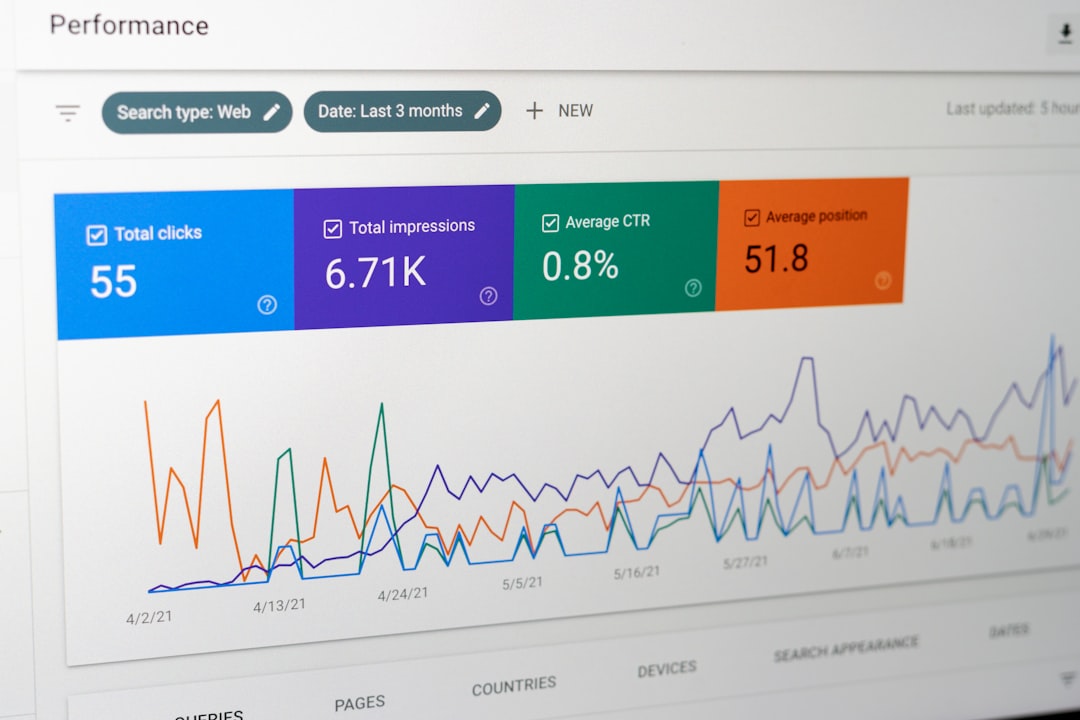
Key Features to Compare in AI SEO Optimization Tools
When evaluating alternatives to NeuronWriter, content teams usually compare platforms across several important categories. The strongest tools do more than generate text; they help writers understand what search engines already reward and how a new article can compete.
- SERP analysis: Reviews top-ranking pages and identifies patterns across headings, word count, keywords, and structure.
- Content scoring: Measures how well a draft covers important terms, subtopics, and optimization signals.
- AI writing assistance: Helps create outlines, introductions, meta descriptions, FAQs, and full content drafts.
- Keyword research: Provides search volume, keyword difficulty, topic clusters, and related queries.
- Content briefs: Produces writer-ready instructions based on SERP data and search intent.
- Collaboration: Supports editors, writers, clients, and SEO managers working together.
- Integrations: Connects with platforms such as Google Docs, WordPress, Google Search Console, or SEO suites.
1. Surfer SEO
Surfer SEO is one of the most recognized NeuronWriter alternatives. It focuses heavily on data-driven content optimization and provides a clear content score based on competitor analysis. Its Content Editor recommends terms, headings, questions, article length, and structural improvements.
Surfer is particularly useful for teams that want a polished interface and actionable recommendations. Its integration with Google Docs and WordPress makes it convenient for writers and editors. The platform also includes audit tools, keyword research, and AI content generation features.
Best for: Agencies, SEO teams, and publishers that want a strong balance between usability and SERP-based optimization.
2. Frase
Frase is another strong alternative for content research, brief creation, and AI-assisted writing. It analyzes search results and extracts common questions, headings, topics, and competitor information. This makes it especially helpful for creating detailed outlines before drafting begins.
Frase is often praised for its content brief workflow. Editors can quickly identify what competitors cover, what readers ask, and which sections should be included in an article. Its AI writer can assist with drafts, but its research and briefing capabilities are often the main attraction.
Best for: Content managers and small teams that need fast, research-backed briefs and practical optimization assistance.
3. Clearscope
Clearscope is a premium content optimization platform trusted by many enterprise teams and established publishers. It offers high-quality keyword recommendations, content grading, and a clean writing interface. Writers receive a grade based on how comprehensively the content covers relevant terms and topics.
Compared with some budget-friendly tools, Clearscope is more expensive, but it is known for reliable recommendations and ease of adoption. It does not overwhelm users with unnecessary complexity, which makes it attractive to teams with multiple writers and editors.
Best for: Enterprise content teams, professional publishers, and organizations that value accuracy, simplicity, and editorial consistency.

4. MarketMuse
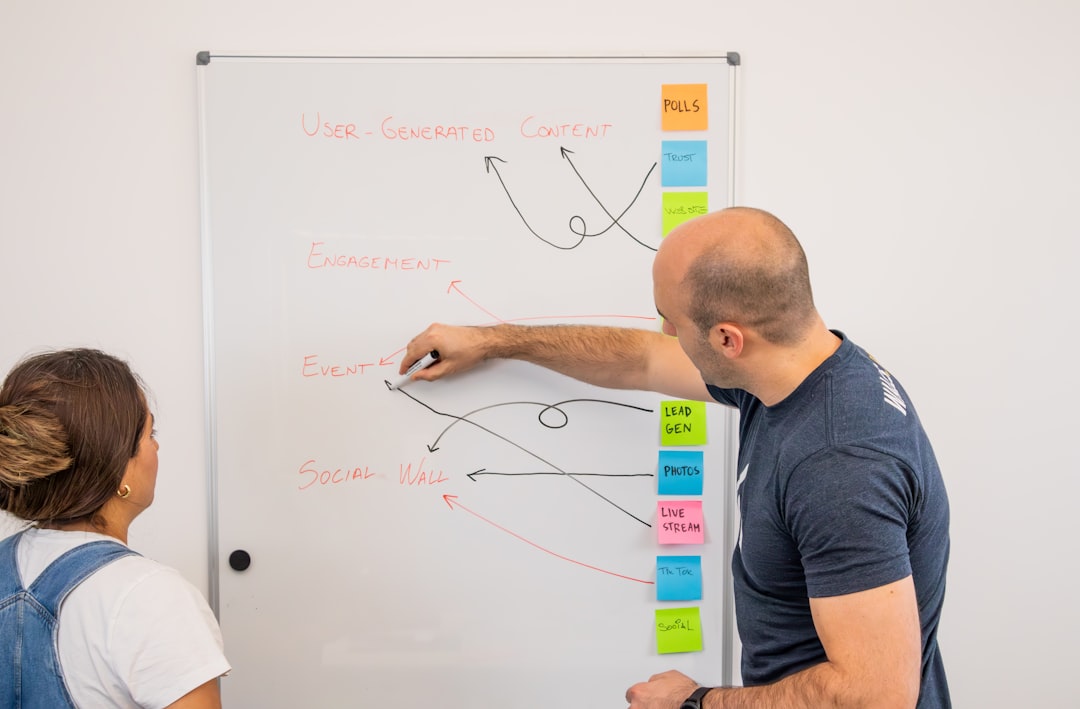
MarketMuse is designed for advanced content strategy, not just single-page optimization. It analyzes topic authority, content gaps, and opportunities across an entire website. This makes it useful for companies that want to build comprehensive topical authority rather than simply optimize one article at a time.
MarketMuse helps teams decide which pages to create, update, merge, or expand. Its recommendations can support long-term planning, especially for websites with large content libraries. The platform is generally better suited to mature SEO programs than beginners.
Best for: Larger businesses, SaaS companies, and enterprise content teams focused on topic authority and strategic content planning.
5. Scalenut
Scalenut combines SEO planning, AI writing, and content optimization in one platform. It includes a Cruise Mode feature that can help generate long-form content from keyword input and SERP research. The tool also provides content scores, NLP terms, outlines, and competitor insights.
Scalenut may appeal to teams that want both AI writing and SEO optimization without using multiple platforms. It is especially useful for producing first drafts quickly, though human editing remains important for accuracy, tone, and originality.
Best for: Startups, bloggers, and marketing teams that want an all-in-one AI content creation and SEO optimization workflow.
6. Semrush SEO Writing Assistant
Semrush SEO Writing Assistant is a practical option for users already working inside the Semrush ecosystem. It offers real-time recommendations for SEO, readability, originality, and tone of voice. The tool can be used with Google Docs, WordPress, and the Semrush interface.
Because Semrush also includes keyword research, competitor analysis, backlink data, rank tracking, and site audits, it can be an efficient choice for businesses that want a broader SEO platform. The writing assistant is not always as specialized as standalone content optimization tools, but its integration with Semrush data is a major advantage.
Best for: Marketing teams already using Semrush for SEO research, audits, and competitive analysis.
7. PageOptimizer Pro
PageOptimizer Pro, often called POP, is a technical on-page SEO tool that focuses on measurable ranking factors. It provides recommendations for keyword placement, page structure, schema, and optimization signals based on competitor analysis.
POP may feel more technical than some AI writing platforms, but it is powerful for SEO professionals who want detailed on-page guidance. It is less about generating polished prose and more about improving ranking potential through structured optimization.
Best for: SEO specialists, consultants, and agencies that want granular on-page optimization recommendations.
8. Dashword
Dashword is a simpler and more affordable content optimization tool. It helps users create content briefs, analyze top-ranking results, and optimize drafts using recommended keywords and topics. Its interface is straightforward, making it a good option for teams that do not need a complex enterprise suite.
Dashword is particularly appealing for small businesses and bloggers that want fast insights without a steep learning curve. While it may not offer the depth of MarketMuse or the brand recognition of Surfer SEO, it can still support effective content workflows.
Best for: Small teams, freelance writers, and website owners looking for a lightweight SEO content tool.
9. WriterZen
WriterZen focuses on keyword discovery, topic clustering, content planning, and AI writing. It helps users find keyword opportunities and organize them into logical groups. This makes it useful before the writing stage, especially for teams building topical maps.
The platform also includes plagiarism checking and content creation features. For users who want to combine keyword clustering with content production, WriterZen can be a strong alternative to NeuronWriter.
Best for: Bloggers, niche site owners, and SEO planners who need keyword clustering and structured content planning.


10. SE Ranking Content Editor
SE Ranking Content Editor is part of the broader SE Ranking SEO platform. It helps teams create briefs, optimize copy, and compare drafts against competing pages. Since SE Ranking also includes rank tracking, keyword research, site audits, and backlink monitoring, it can serve as a complete SEO toolkit.
The Content Editor is useful for agencies and businesses that prefer having multiple SEO functions in one subscription. It may be especially valuable when content optimization needs to connect with ranking performance and website audits.
Best for: Agencies and small to mid-sized businesses that want content optimization within a broader SEO platform.
How to Choose the Best NeuronWriter Alternative
The best choice depends on the team’s goals. If a company mainly needs polished optimization suggestions, Surfer SEO or Clearscope may be suitable. If the priority is content brief creation, Frase is a strong candidate. If long-term content strategy and authority building are more important, MarketMuse may be the better fit.
Budget also matters. Smaller publishers may prefer Dashword, WriterZen, or Scalenut, while agencies may benefit from Semrush or SE Ranking because they include broader SEO features. Teams should also consider how writers work. A tool with Google Docs integration, WordPress export, or easy collaboration can save significant time.
It is also important to remember that AI SEO tools should support human judgment rather than replace it. Search intent, subject expertise, brand voice, originality, and factual accuracy still require editorial review. The strongest results usually come from combining data-driven recommendations with experienced writing and strategic thinking.
Final Thoughts
NeuronWriter remains a capable AI SEO and content optimization platform, but the market offers many excellent alternatives. Surfer SEO stands out for user-friendly optimization, Frase for content briefs, Clearscope for premium editorial workflows, and MarketMuse for strategic content planning. Other tools such as Scalenut, Semrush, PageOptimizer Pro, Dashword, WriterZen, and SE Ranking provide valuable options for different budgets and use cases.
For most teams, the best approach is to match the software to the workflow. A content-heavy agency, a niche blogger, and an enterprise SaaS company will not always need the same platform. By comparing features, usability, integrations, and pricing, businesses can choose a tool that improves rankings, speeds up production, and helps create more useful content for readers.
FAQ
What is the best alternative to NeuronWriter?
The best alternative depends on the user’s needs. Surfer SEO is a strong all-around option, Frase is excellent for briefs, Clearscope suits premium editorial teams, and MarketMuse is ideal for advanced content strategy.
Are NeuronWriter alternatives better for AI writing?
Some alternatives offer stronger AI writing features, especially platforms such as Scalenut and Frase. However, the quality of AI output still depends on prompts, editing, subject expertise, and the level of human review.
Which NeuronWriter alternative is best for agencies?
Agencies often prefer Surfer SEO, Semrush, SE Ranking, or PageOptimizer Pro because these tools support scalable workflows, competitor research, and multiple SEO tasks beyond content writing.
Which tool is best for beginners?
Dashword, Frase, and Surfer SEO are beginner-friendly because they provide clear recommendations and simple content scoring. They help new users understand what to improve without requiring deep technical SEO knowledge.
Do AI SEO tools guarantee higher rankings?
No AI SEO tool can guarantee higher rankings. These platforms improve the chances of success by helping content match search intent, cover relevant topics, and follow on-page SEO best practices. Rankings still depend on competition, backlinks, site authority, content quality, and technical SEO.
Can these tools replace human writers?
They should not be viewed as full replacements for human writers. AI SEO tools can speed up research, outlining, and optimization, but human expertise is still needed for accuracy, originality, tone, examples, and trustworthy insights.