



The logistics industry is the backbone of global commerce, ensuring that goods and materials move efficiently from point A to point B. At the center of this supply chain network stands the Logistics Coordinator, a key player in managing and supervising the entire flow of goods. Whether for small businesses or large multinational corporations, Logistics Coordinators play a vital role in making sure operations stay on track and deliveries are on time.
TL;DR (Too Long; Didn’t Read)
A Logistics Coordinator oversees the efficient transportation and storage of goods within the supply chain. They are responsible for managing vendors, handling documentation, and ensuring shipment accuracy and timeliness. The average salary for a Logistics Coordinator varies depending on experience and location, but typically ranges from $45,000 to $65,000 annually. Key skills include attention to detail, problem-solving abilities, and strong organizational and communication skills.
What Does a Logistics Coordinator Do?
A Logistics Coordinator is responsible for the coordination and oversight of logistical operations. Their primary duty is to ensure that products and materials are moved in an efficient, timely, and cost-effective manner. This includes managing shipping schedules, tracking inventory levels, and handling shipping and delivery documentation.

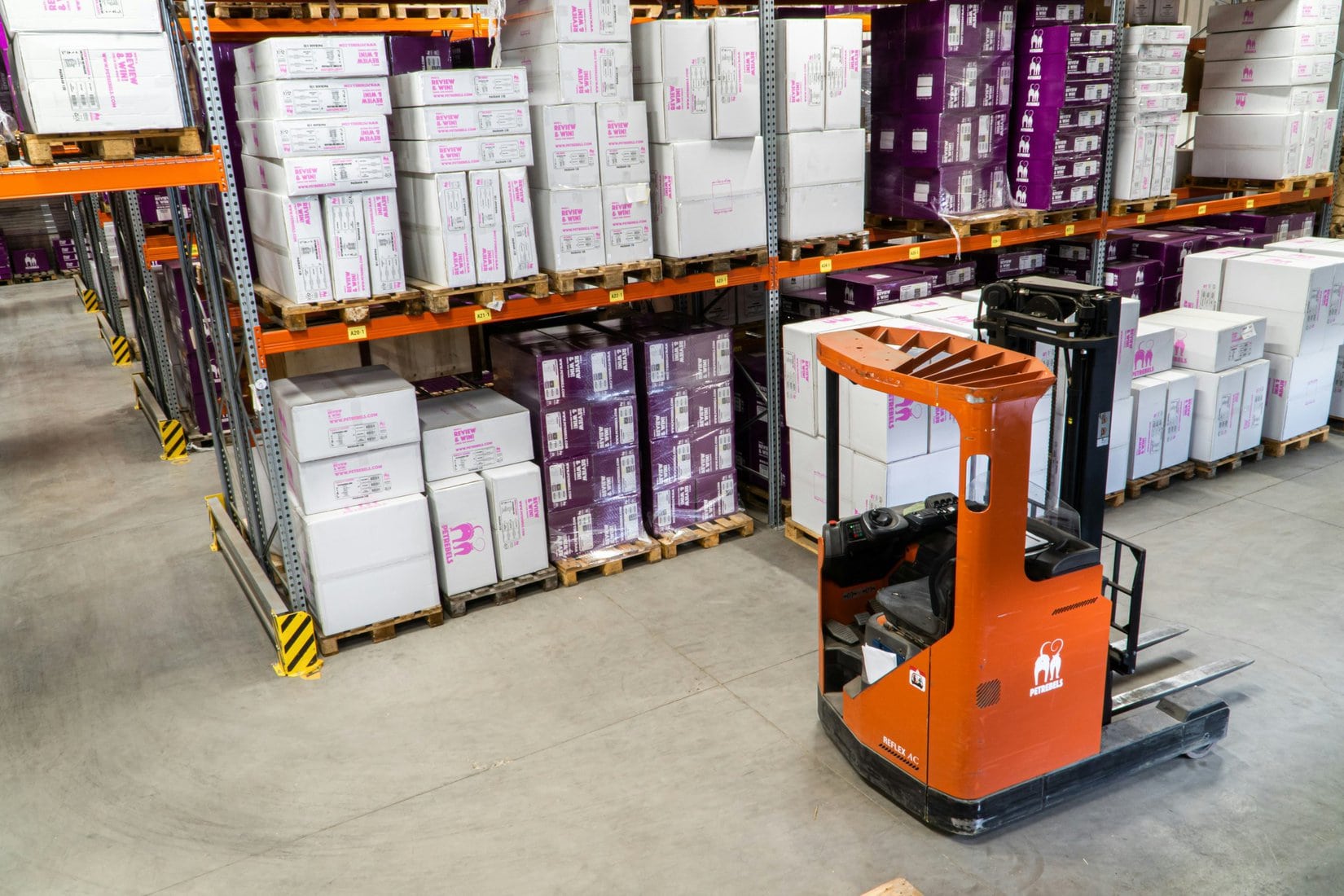
Here are some of the core responsibilities of a Logistics Coordinator:
- Coordinating shipment schedules to ensure timely delivery.
- Liaising with suppliers, vendors, drivers, and warehouse staff to keep operations running smoothly.
- Resolving transportation issues or delivery delays as they arise.
- Inspecting shipments to ensure quality and accuracy of orders.
- Maintaining and updating logistics databases and shipping records.
Daily Tasks of a Logistics Coordinator
While their specific duties can vary depending on the company and industry, most Logistics Coordinators perform a set of core tasks every day:
- Schedule and track inbound and outbound shipments.
- Oversee inventory management and forecast supply needs.
- Create shipping documents and ensure compliance with regulations.
- Communicate with stakeholders about logistics timelines and expectations.
- Use logistics software to streamline operations and flag potential disruptions.
Key Skills Required
Being an effective Logistics Coordinator requires a combination of soft and technical skills. Below are some of the most critical capabilities for success in this role:
- Organizational skills: Managing multiple tasks and keeping deliveries on schedule requires exceptional organization.
- Communication skills: Coordinators interact with a wide range of professionals, from warehouse workers to management, and must convey information clearly.
- Problem-solving ability: Disruptions are common in logistics, so the ability to think on one’s feet is essential.
- Knowledge of logistics software: Familiarity with systems like SAP, Oracle, or other warehouse management tools can streamline many processes.
- Attention to detail: Mistakes in shipping documentation or inventory tracking can be costly.


Educational Background and Certifications
Most Logistics Coordinators hold at least a bachelor’s degree in a related field such as supply chain management, business administration, or logistics. However, some employers accept candidates with an associate degree and relevant work experience.
Additional certifications can further improve job prospects, such as:
- Certified Logistics Associate (CLA)
- Certified Logistics Technician (CLT)
- Certified Supply Chain Professional (CSCP)
- Lean Six Sigma Certification
Salary Expectations
The salary of a Logistics Coordinator largely depends on factors like geographic location, years of experience, education, and company size. On average:
- Entry-level Logistics Coordinators earn between $40,000 and $50,000 annually.
- Mid-level professionals can expect a salary ranging from $50,000 to $65,000.
- Senior Logistics Coordinators in large firms or high-demand regions may earn up to $75,000 or more.
In addition to base pay, many positions offer bonuses, benefits, and other incentives, especially if tied to performance metrics like delivery efficiency or cost savings.
Career Development and Opportunities
Logistics Coordinators can advance to several higher-level roles within the supply chain and logistics industry. With experience and continued education, potential career paths include:
- Logistics Manager
- Supply Chain Analyst
- Transportation Manager
- Warehouse Operations Manager
- Director of Supply Chain
Many companies also offer tuition reimbursement or professional development funding, making it easier for Logistics Coordinators to earn advanced degrees or certifications.
Work Environment and Conditions
Most Logistics Coordinators work in an office environment located near warehouses or shipping hubs. They may occasionally visit warehouses or travel to supplier sites. The job usually involves standard business hours, although overtime or evening shifts may be required when dealing with urgent shipments or international logistics.
The role can be high-pressure, especially during peak seasons or in industries with tight delivery expectations like retail or pharmaceuticals.
Technology in Logistics Coordination
Modern logistics relies heavily on digital tools and platforms that help track shipments, manage communication, and optimize routes and warehouses. Commonly used technologies include:
- Enterprise Resource Planning (ERP) systems
- Transportation Management Systems (TMS)
- Inventory Management Software
- GPS tracking tools
- Data analytics dashboards
Keeping up with evolving technology is crucial for long-term success in this role.
Industries Hiring Logistics Coordinators
Logistics Coordinators are in demand across a broad range of industries including:
- Retail and E-commerce
- Manufacturing
- Third-party logistics (3PL)
- Consumer Goods
- Automotive
- Healthcare and Pharmaceuticals
The rise of online shopping and global trade has only increased the need for qualified logistics professionals.
Frequently Asked Questions (FAQs)
- What does a Logistics Coordinator do on a daily basis?
- They manage and oversee shipment schedules, monitor inventory, coordinate with vendors, and ensure that all deliveries are on time and accurate.
- What education is required to become a Logistics Coordinator?
- While a bachelor’s degree in supply chain management or business is preferred, some companies accept associate degrees with relevant experience.
- Is prior experience necessary for this role?
- Entry-level roles may not require extensive experience, but familiarity with logistics or supply chain work will certainly be valuable.
- What is the average salary of a Logistics Coordinator?
- Average salaries typically range from $45,000 to $65,000 annually depending on experience and location.
- What are the main challenges in this role?
- Common challenges include managing unexpected delays, handling last-minute changes, and coordinating with multiple supply chain stakeholders effectively.
Becoming a Logistics Coordinator can be a fulfilling and dynamic career choice for individuals who enjoy organizing systems, solving logistical puzzles, and playing a crucial role in the success of a business operation.