



Modern product marketing teams face a unique set of challenges. From rapidly shifting customer expectations to the increasing demand for personalized digital experiences, marketing professionals are under constant pressure to deliver results. One critical way companies are meeting this demand is through the adoption of innovative website builders that allow marketing teams to launch campaigns, landing pages, and microsites faster and more effectively than ever before.
TLDR (Too long, didn’t read)
Innovative website builders empower product marketing teams by offering user-friendly, no-code or low-code platforms for building high-converting web pages. These tools allow marketers to test campaigns, deploy updates quickly, and enhance user engagement without relying heavily on developer resources. Many platforms also integrate deeply with analytics and CRM tools to streamline reporting. Ultimately, these builders provide agility, speed, and creativity that fuel successful digital marketing strategies.
Why Website Builders Are Becoming Essential Tools for Product Marketing
The traditional model of website development involves relying on developers and designers, resulting in long production cycles and limited agility. Product marketing teams, tasked with launching new offers or features quickly, often struggle to keep pace with slower web development timelines. That’s where innovative website builders come in. These platforms equip marketers with the ability to:
- Create landing pages without writing code
- Update product storytelling fast in response to market trends
- Run A/B tests independently
- Optimize content to improve product-led growth metrics
By democratizing access to robust digital creation tools, these platforms help teams stay agile, innovative, and closer to the customer experience.
Key Features That Drive Engagement
Not just any website builder will meet the needs of a performance-driven product marketing team. The tools chosen must empower personalization, interactivity, and analytics to truly drive engagement. The most effective solutions tend to include the following features:
- Drag-and-Drop Interface: Enables rapid page creation and editing without coding knowledge.
- Responsive Design: Ensures optimal content viewing on all devices.
- Custom Templates: Allow brand consistency while speeding up repeatable launches.
- Integrated A/B Testing: Lets users test variations of content and design seamlessly.
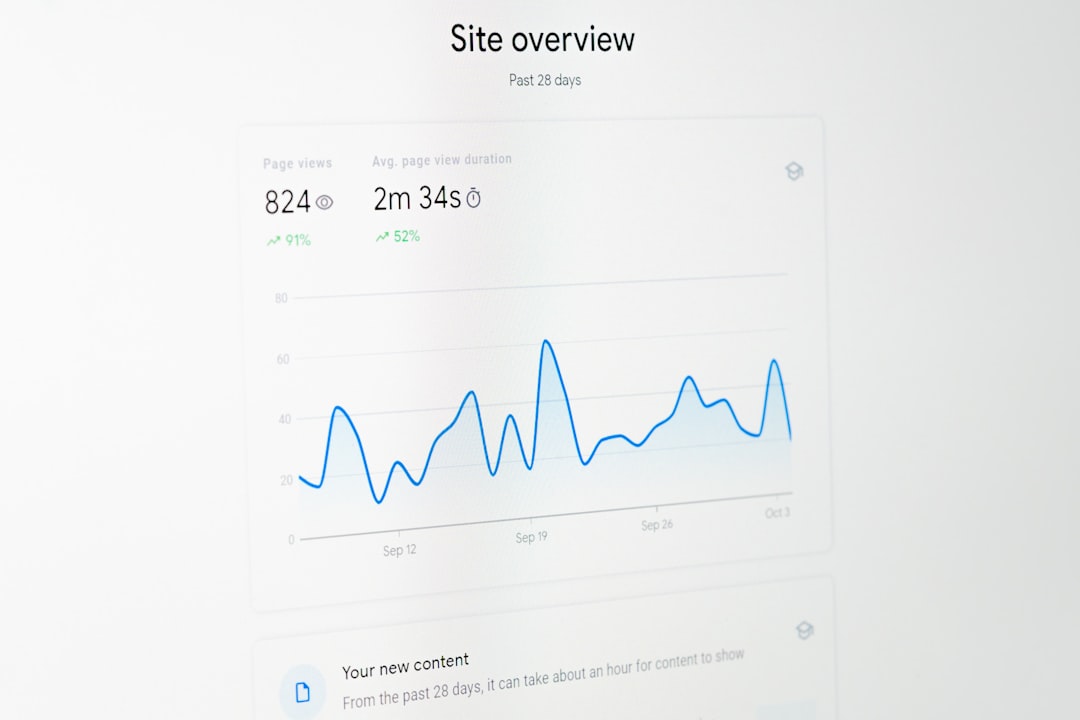
- Analytics Dashboards: Provide insights into user behavior, drop-off points, and engagement drivers.
- CRM and Marketing Automation Integration: Streamlines lead capture and segmentation.
When these features come together, product marketing teams gain not only executional speed but also the confidence to experiment with messaging and design that resonate with users.
Top Innovative Website Builders Designed for Marketing Performance
1. Webflow
Webflow has become the go-to choice for designers and marketers who want creative control without engineering overhead. With a visual CMS and logic-based animations, Webflow supports sophisticated design patterns while generating clean, semantic code. Marketing teams use it to build interactive landing pages, gated content hubs, and branded campaign microsites.
Main Advantages:
- Powerful design freedom
- CMS for dynamic content
- SEO-friendly foundation
- Robust community and template ecosystem
2. Unbounce
Unbounce is engineered specifically around landing page optimization and lead generation. It takes a conversion-first approach with AI-powered suggestions, sticky bars, and pop-ups that marketers can control directly. The platform also offers Smart Traffic—a machine learning feature that automatically routes visitors to the variant most likely to convert.
Main Advantages:
- Focused on conversion rate optimization (CRO)
- AI features to improve engagement
- Direct A/B and multivariate testing
3. Instapage
Built for enterprise-level personalization and scale, Instapage offers robust post-click optimization. It supports dynamic content replacement, heatmaps, team collaboration, and AMP (Accelerated Mobile Pages). Marketing teams targeting account-based marketing (ABM) or paid ad programs find Instapage especially effective.
Main Advantages:
- Pixel-perfect visual editing
- Heatmaps and analytics
- Enterprise-level personalization

4. HubSpot CMS Hub
For teams already aligned with HubSpot’s CRM and marketing tools, CMS Hub offers seamless website management with integrated analytics and personalization. It caters to marketers who want end-to-end control over content delivery, lead flow, and campaign measurement within one centralized platform.
Main Advantages:
- Native integration with CRM
- Security and scalability
- Content personalization tools
5. Tilda
Tilda is known for its block-based layout system, allowing marketers to quickly compose pages from over 550 pre-built blocks. It’s especially favored for storytelling, visual product launches, and educational content due to its support for long-form design and motion graphics.
Main Advantages:
- Emphasis on storytelling and imagery
- Great for visual SaaS products
- Built-in forms, analytics, and integrations
Measuring Success Through Engagement Metrics
Equipped with the right tools, product marketers can directly impact engagement and conversion metrics. Here’s how website builders typically enable teams to improve performance:
- Faster Testing Cycles: Experiment with messages or designs in hours, not weeks.
- Enhanced UX: Improve usability and user flow with drag-and-drop adjustments.
- Higher Conversion Rates: Thanks to speedy optimization and targeting options.
- Better Attribution: With native analytics that link data directly to campaigns.


Many website builders preserve version histories and support rollback, giving marketers the freedom to try bold ideas while minimizing risk. These platforms thus turn the marketing site into an agile, data-informed performance engine.
The Road Ahead: AI and Builder Automation
As artificial intelligence becomes more embedded in SaaS tools, website builders are starting to evolve further. We already see this with Unbounce’s Smart Traffic and Webflow’s layout prediction tools. Going forward, marketers can expect even more AI-driven features like automated SEO optimization, auto-personalized headlines, and instant mockup generation.
Moreover, builder platforms are seeking to support omnichannel marketing by aligning with email, social commerce, and mobile app ecosystems. Product marketing teams who harness these capabilities will be able to launch richer experiences that meet their audiences wherever they are.
Conclusion
Innovative website builders are fundamentally reshaping how product marketing teams bring campaigns to life. They offer increased autonomy, creative control, and strategic flexibility that allows for rapid experimentation and iteration. Rather than waiting in dev queues or relying on rigid templates, marketers can now express product value clearly and innovatively, driving deeper engagement and higher conversion from top-of-funnel to product adoption.
Frequently Asked Questions (FAQ)
- Q: Are website builders SEO-friendly?
A: Most modern website builders like Webflow, HubSpot CMS, and Instapage are built with SEO best practices in mind, allowing for customizable meta tags, alt text, and structured data. - Q: Do I need to know how to code to use these tools?
A: No. These platforms are built to be accessible to non-technical users. Drag-and-drop interfaces and pre-built templates make it easy to build functional pages without coding experience. - Q: Can website builders integrate with our CRM and marketing tools?
A: Yes. Most platforms offer integration with popular tools like Salesforce, HubSpot, Marketo, and Google Analytics for seamless lead management and data analysis. - Q: Which builder is best for A/B testing?
A: Unbounce and Instapage excel in A/B testing, offering built-in capabilities to test multiple variants of a page and analyze conversion impact. - Q: How secure are these builders for enterprise-level campaigns?
A: Enterprise builders like Webflow Enterprise, HubSpot CMS, and