



For modern content teams, choosing the right Copilot SEO analysis tool can determine whether a publishing workflow becomes faster, smarter, and more measurable—or simply more complicated. As search engines evolve and content quality expectations rise, teams need more than keyword suggestions. They need an intelligent assistant that helps with research, optimization, competitive analysis, workflow alignment, and performance improvement.
TLDR: The best Copilot SEO analysis tool for content teams should combine AI-assisted recommendations, reliable SEO data, content workflow features, and clear reporting. Teams should evaluate tools based on accuracy, ease of use, integrations, scalability, and how well they support both strategy and execution. A strong tool should help writers, editors, SEO specialists, and managers collaborate more efficiently without replacing human judgment.
Why Content Teams Need a Copilot SEO Analysis Tool
Content production is no longer just about writing well. A successful article, landing page, or knowledge base entry must satisfy search intent, compete with existing results, support brand authority, and align with business goals. A Copilot SEO analysis tool acts as a digital assistant that guides content decisions at each stage of the process.
For content teams, this can include identifying keyword opportunities, analyzing competitors, recommending internal links, scoring content quality, detecting technical problems, and suggesting improvements before publication. Instead of relying on scattered spreadsheets and manual research, teams can use one platform to connect strategy with execution.
The right tool does not replace experienced marketers or editors. Instead, it helps them make better decisions faster. It can reveal gaps in content, reduce repetitive work, and bring consistency to optimization standards across a team.


Start with the Team’s SEO Goals
Before comparing software features, a content team should clarify what it needs the tool to accomplish. Different teams have different priorities. A media publisher may care most about high-volume topic discovery, while a SaaS company may prioritize conversion-focused landing pages and competitor comparisons.
Common goals include:
- Improving organic rankings for existing content
- Finding new keyword opportunities for editorial planning
- Increasing content velocity without lowering quality
- Standardizing SEO best practices across writers and editors
- Measuring content performance after publication
- Optimizing for search intent and reader satisfaction
When goals are clear, the evaluation process becomes more focused. A tool with advanced AI writing features may not be ideal if the main need is technical SEO auditing. Similarly, a powerful keyword database may not solve workflow issues if writers and editors cannot collaborate inside the platform.
Evaluate the Quality of SEO Data
An SEO analysis tool is only as useful as the data behind it. Content teams should look closely at how a platform gathers and presents keyword data, ranking information, traffic estimates, backlink insights, and competitor analysis.
Important data-quality factors include:
- Keyword volume accuracy: Search volume should be directional and useful, even if no tool can be perfectly exact.
- Keyword difficulty scoring: The tool should explain how competitive a term may be.
- SERP analysis: Teams should be able to analyze the pages currently ranking for target queries.
- Search intent classification: The tool should help distinguish informational, commercial, transactional, and navigational intent.
- Freshness of data: SEO changes quickly, so data should be updated regularly.
Good SEO data helps content teams avoid chasing keywords that are irrelevant, too competitive, or misaligned with audience intent. The best Copilot tools translate raw data into practical recommendations that writers and strategists can act on.
Look for AI Recommendations That Are Useful, Not Generic
Many platforms now include AI features, but not all AI recommendations are equally valuable. A strong Copilot SEO analysis tool should provide context-aware suggestions based on the specific page, keyword, audience, industry, and search results.
Useful AI recommendations may include:
- Suggested headings based on search intent
- Missing subtopics that competitors cover
- Questions readers commonly ask
- Internal linking opportunities
- Readability improvements
- Meta title and description suggestions
- Content refresh recommendations for declining pages
However, teams should be cautious of tools that produce vague advice such as “add more keywords” or “make content better.” Good AI guidance should be specific, explainable, and aligned with actual SEO outcomes. The tool should support editorial judgment rather than push formulaic writing.
Prioritize Workflow and Collaboration Features
SEO content is usually created by multiple people. Strategists define topics, writers draft content, editors refine structure, SEO specialists check optimization, and managers track performance. A Copilot SEO tool should make this process smoother.
Strong workflow features can include:
- Content briefs that include keywords, questions, competitors, and recommended structure
- Role-based access for writers, editors, and managers
- Comments and approvals inside the platform
- Content calendars for planning publication schedules
- Task assignments and status tracking
- Version history for reviewing changes
When a tool fits naturally into the team’s workflow, adoption is more likely. If it requires too much manual copying, exporting, or switching between systems, team members may stop using it consistently.


Check Integrations with Existing Tools
A content team rarely works in isolation. It may already use content management systems, analytics platforms, project management tools, document editors, and communication apps. The best Copilot SEO analysis tool should integrate with the systems the team already trusts.
Valuable integrations may include:
- Content management systems such as WordPress or headless CMS platforms
- Analytics platforms for traffic and engagement data
- Search performance tools for queries and rankings
- Project management platforms for task coordination
- Writing environments such as shared document editors
- Browser extensions for on-page analysis
Integrations reduce friction. For example, if SEO recommendations can appear directly where writers draft content, optimization becomes part of the creative process rather than a separate final step.
Assess Content Scoring Carefully
Many SEO analysis tools provide a content score. This can be helpful, but teams should understand what the score actually measures. Some scores are based on keyword usage, word count, headings, readability, competitor coverage, or semantic relevance.
A content score should be treated as a guide, not a guarantee. A page with a high score can still fail if it lacks originality, expertise, or conversion value. A lower-scored piece may perform well if it answers a niche query better than competitors.
The best tools explain why a score changes and provide transparent recommendations. Content teams should prefer platforms that encourage quality, clarity, and usefulness—not keyword stuffing or artificial length.
Consider Support for Content Refreshes
For many teams, improving existing content can deliver faster results than creating new articles. A strong Copilot SEO tool should help identify which pages need updates and what changes may improve performance.
Refresh-focused features may include:
- Ranking decline alerts
- Traffic loss detection
- Outdated keyword identification
- New competitor comparison
- Missing topic suggestions
- Internal link recommendations
This is especially important for websites with large content libraries. Instead of guessing which pages to update, teams can prioritize based on potential SEO impact.
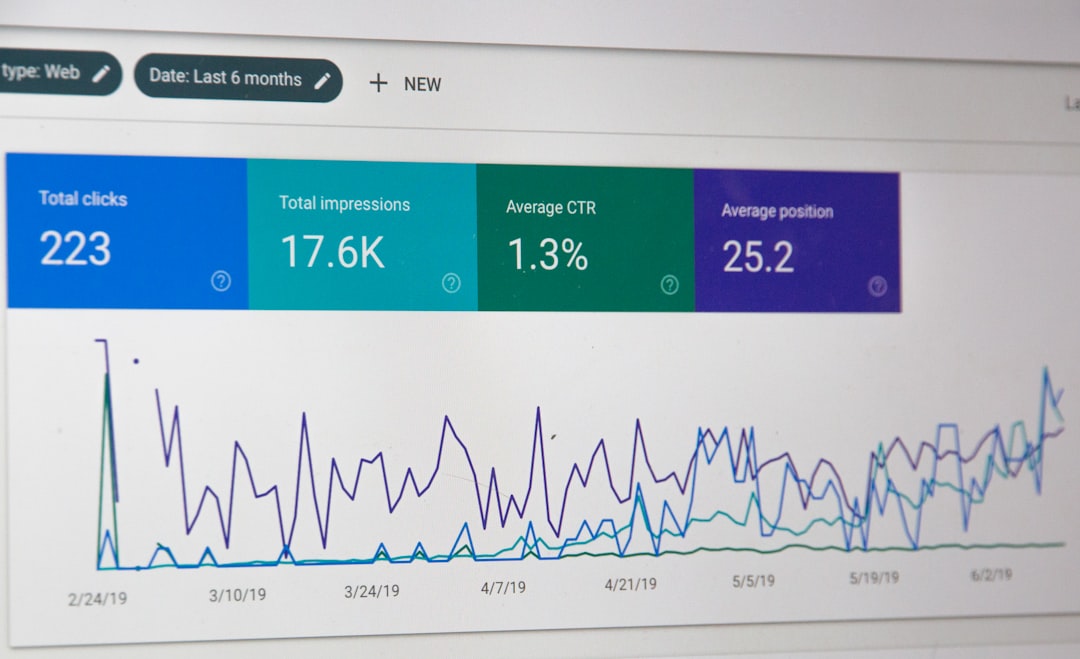
Compare Reporting and Performance Tracking
Managers and stakeholders need to understand whether SEO content efforts are producing results. A Copilot SEO analysis tool should include reporting that connects content activity to measurable outcomes.
Helpful reporting features include:
- Keyword ranking movement over time
- Organic traffic trends by page or content group
- Click-through rate analysis from search results
- Conversion tracking where applicable
- Content update impact after optimization
- Team productivity metrics for content operations
Reports should be easy to understand. Executives may not need every SEO detail, while specialists may need deeper analysis. The ideal tool allows teams to create different views for different audiences.

Review Usability and Learning Curve
Even the most advanced tool can fail if the team finds it confusing. Usability matters because content teams often include people with different levels of SEO expertise. A writer may need simple guidance, while an SEO manager may need advanced filters and technical data.
During evaluation, teams should consider whether the interface is intuitive, whether recommendations are clearly explained, and whether onboarding resources are available. A good Copilot tool should make SEO more accessible without oversimplifying important decisions.
Trial periods and demos are useful for testing usability. Teams should ask actual users to complete common tasks, such as creating a content brief, optimizing a draft, checking competitor pages, and generating a performance report.
Examine Scalability and Pricing
Pricing should be evaluated in relation to team size, content volume, and required features. Some tools charge by user, project, keyword, content brief, or analyzed page. A small editorial team may need a flexible starter plan, while a large enterprise team may need advanced permissions, custom reporting, and API access.
Questions to ask include:
- How many users are included?
- Are AI features limited by credits?
- How many keywords or pages can be tracked?
- Does the plan support multiple websites or clients?
- Are integrations included or restricted to higher plans?
- Is customer support included?
The cheapest option is not always the most cost-effective. If a more expensive tool saves hours of manual work and improves rankings, it may deliver a stronger return. At the same time, teams should avoid paying for enterprise features they do not need.
Consider Security, Permissions, and Governance
Content teams often handle unpublished campaigns, proprietary research, and sensitive performance data. A reliable Copilot SEO analysis tool should provide appropriate security and governance controls.
Important considerations include user permissions, data privacy policies, single sign-on options, audit logs, and control over AI training usage. Larger organizations may also require compliance documentation and administrative oversight.
Governance is especially important when AI-generated suggestions are involved. Teams should establish rules for review, fact-checking, brand voice, and final approval. The tool should support these standards rather than bypass them.
Test the Tool with Real Content
The most reliable way to choose a Copilot SEO analysis tool is to test it with real content projects. A team can select a few existing pages, upcoming briefs, and target keywords, then compare how each tool performs.
A practical test may evaluate:
- How quickly the tool creates a useful brief
- How accurate its competitor analysis appears
- Whether writers understand and trust the recommendations
- How well editors can apply suggestions
- Whether reports reveal meaningful insights
- How much time the workflow saves
This hands-on approach prevents teams from choosing based only on marketing claims. It also reveals whether a tool fits the team’s content style, publishing process, and SEO maturity.
Final Thoughts
Choosing the best Copilot SEO analysis tool for a content team requires a balance of data quality, AI assistance, workflow support, usability, integrations, and cost. The ideal platform should help teams understand search opportunities, create stronger content, optimize efficiently, and measure results clearly.
Most importantly, the tool should strengthen human expertise. SEO success still depends on strategic thinking, editorial judgment, audience understanding, and consistent execution. A Copilot tool is most valuable when it helps content teams do those things with greater speed, confidence, and clarity.
FAQ
What is a Copilot SEO analysis tool?
A Copilot SEO analysis tool is software that uses data, automation, and often AI to assist content teams with keyword research, content optimization, competitor analysis, reporting, and workflow management.
Is an AI SEO tool enough to create high-ranking content?
No. AI SEO tools can provide helpful recommendations, but high-ranking content still requires expertise, originality, accuracy, strong writing, and alignment with user intent.
What features matter most for content teams?
The most important features usually include keyword research, SERP analysis, content briefs, optimization recommendations, collaboration tools, integrations, and performance reporting.
Should small content teams use a Copilot SEO tool?
Yes, if the tool fits their budget and workflow. Small teams can benefit from automation because it reduces manual research and helps maintain consistent optimization standards.
How should a team compare different SEO tools?
A team should test each tool with real content, evaluate data quality, review usability, compare workflow features, check integrations, and calculate the likely return on investment.
Can a Copilot SEO tool replace an SEO specialist?
It should not be viewed as a replacement. The tool can support research and execution, but an SEO specialist provides strategy, interpretation, prioritization, and judgment that software cannot fully replicate.