


Websites and apps are everywhere. Blogs. Online shops. Mobile apps. Smartwatches. Even fridges. All of them need content. Words. Images. Videos. Product details. And that content needs to move fast and look great everywhere. That is where a headless CMS comes in. Platforms like Strapi are changing how teams manage and deliver content.
TLDR: A headless CMS like Strapi helps you manage content in one place and send it anywhere. It separates the “body” (content) from the “head” (design). This makes websites and apps faster, more flexible, and easier to scale. If you want freedom and future-proof content, headless is a smart move.
What Is a Headless CMS?
Let’s keep it simple.
A traditional CMS, like older website builders, mixes content and design together. Your blog post lives inside a theme. Your product page depends on a layout. Everything is connected.
A headless CMS removes the front end. That is why it is called “headless.”
- Body = the content (text, images, data)
- Head = the presentation (website, app, screen)
With headless, the body and head are separate.
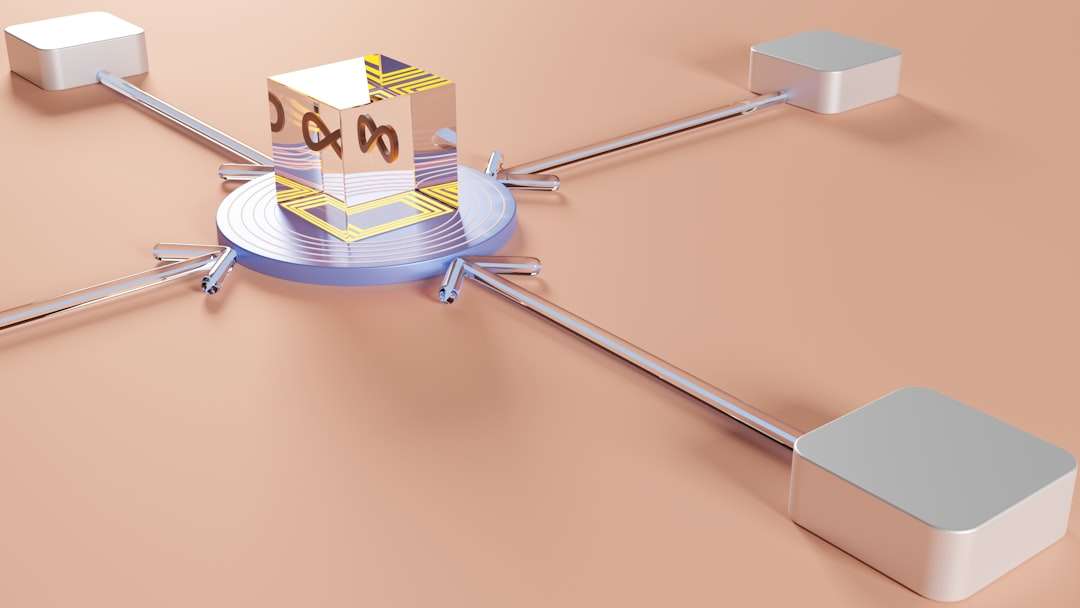
You store your content in one place. Then you use an API to send that content anywhere. A website. A mobile app. A kiosk. Even a smartwatch.

Meet Strapi
Strapi is one of the most popular headless CMS platforms today.
Why?
- It is open source.
- It is flexible.
- It is developer friendly.
- It works with modern frameworks.
Strapi lets you build your own content structure. You are not locked into rigid templates. You define your own content types. Your own fields. Your own rules.
It feels more like building with blocks than filling out a strict form.
How Traditional CMS Platforms Feel
Imagine renting a furnished apartment.
The couch is there. The table is there. The walls are painted. If you want to change things, it is hard. Sometimes impossible.
That is how many traditional CMS systems feel.
- Limited flexibility
- Heavy themes
- Performance issues
- Hard to scale
They are fine for simple websites. But when your project grows, cracks appear.
How Headless Feels Instead
Now imagine building your own house.
You choose the layout. The windows. The doors. The style.
That is headless.
With Strapi, you create content types like:
- Blog posts
- Products
- Authors
- FAQs
- Landing pages
Each content type has custom fields. Text. Rich text. Images. Dates. Relationships. Components.
You shape your content exactly how your business needs it.
Why Developers Love Strapi
Developers enjoy freedom. They want control over tools and frameworks.
Strapi plays nicely with:
- React
- Next.js
- Vue
- Nuxt
- Angular
- Mobile frameworks
It exposes your content through REST or GraphQL APIs. That means front-end developers can pull exactly what they need.
No extra clutter. No heavy templates.
Just clean data.
It also allows:
- Custom plugins
- Role-based permissions
- Authentication
- Media management
So it is not just flexible. It is powerful.
Why Content Teams Love It Too
Headless may sound technical. But it benefits content creators as well.
Strapi comes with a clean admin dashboard. Editors can:
- Create and edit content
- Upload images
- Schedule updates
- Manage users
They do not have to touch code.
They just focus on content.
Meanwhile, developers handle how that content looks on the front end.
Clear roles. Less chaos.
One Content Hub. Many Channels.
This is where headless really shines.
Imagine you run an online store. You have:
- A website
- A mobile app
- An in-store screen
- An email system
With a traditional CMS, you might duplicate content. Update it in several places. Make mistakes.
With Strapi, you update content once.
Then every platform pulls the latest version through the API.
Simple. Clean. Consistent.

Performance Benefits
Speed matters.
Users leave slow websites. Search engines notice performance.
Headless setups often use modern front-end frameworks. These frameworks:
- Load faster
- Use static generation
- Improve SEO
- Create smooth user experiences
Since Strapi only delivers data, it stays lightweight. It does not worry about themes or page rendering.
The result?
Fast websites. Happy users.
Customization Without Limits
Every business is different.
A fitness app does not need the same structure as a news website. A travel platform needs filters and dynamic pricing. A learning platform needs courses and lessons.
Strapi allows:
- Custom fields
- Nested components
- Dynamic zones
- Content relationships
You are not squeezing your idea into someone else’s template.
You build exactly what you need.
Security and Control
Security is critical.
Strapi provides role-based access control. That means:
- Editors can edit.
- Admins can manage settings.
- Developers can configure APIs.
You control who sees what.
Because the front end is separate, your public website does not directly expose your CMS structure. This separation can reduce certain risks.
It is not magic security. But it adds a helpful layer.
Scaling for the Future
What happens when your project grows?
More traffic. More content. More users.
Headless architecture makes scaling easier. You can:
- Upgrade servers independently
- Optimize APIs
- Scale front-end apps separately
You are not stuck with one giant system that must grow all at once.
This modular approach is future friendly.
Common Use Cases
Strapi is used in many industries.
- E-commerce: Manage products and categories
- Media sites: Publish articles fast
- Corporate websites: Control structured pages
- Mobile apps: Deliver dynamic content
- SaaS platforms: Manage dashboards and help centers
If content needs to move across channels, headless makes sense.
Challenges to Consider
Let’s be honest. Headless is not perfect for everyone.
You may face:
- Higher setup complexity
- Need for developers
- No ready-made themes
If you want a drag-and-drop website in one afternoon, a traditional CMS might be easier.
But if you need flexibility and growth, headless is worth it.
Getting Started with Strapi
The basic process looks like this:
- Install Strapi.
- Create content types.
- Configure roles and permissions.
- Connect your front end via API.
- Start publishing.
From there, you can expand.
Add plugins. Customize endpoints. Integrate third-party services.


The Big Picture
The web is no longer just websites.
It is apps. Devices. Platforms. Experiences.
Content must travel smoothly between them.
A headless CMS like Strapi gives you:
- Freedom
- Speed
- Flexibility
- Scalability
You manage content once. You publish everywhere.
That is powerful.
Final Thoughts
Headless CMS platforms are not just a trend. They are a response to a changing digital world.
Users expect fast experiences. Businesses need flexibility. Developers want control. Content teams want simplicity.
Strapi brings these pieces together.
It separates content from design. It embraces modern development. It prepares your digital presence for tomorrow.
In short, if you want your content to move freely and grow without limits, a headless CMS like Strapi might be exactly what you need.