


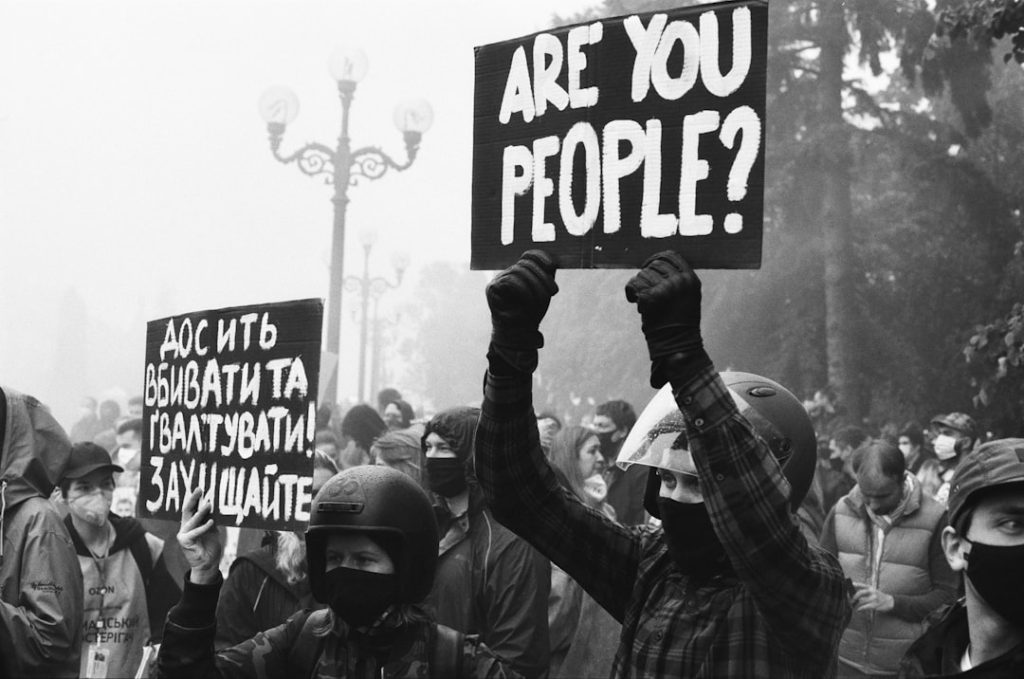
Fascism, although a 20th-century phenomenon, has left a significant impact on political discourse and societal ideologies even in the 21st century. The history of fascist regimes, especially in Europe, colors how societies interpret authority, populism, nationalism, and totalitarianism today. By examining fascist movements of the past and understanding their contexts, modern society gains tools to recognize similar patterns and ideologies in contemporary political rhetoric.
TL;DR
Fascism’s historical context—rooted in early 20th-century upheaval, economic crises, and nationalism—has profoundly influenced how these ideologies are interpreted today. Modern understandings of fascism are shaped by past regimes like Mussolini’s in Italy and Hitler’s in Germany. These historical examples serve as warnings, informing current political analysis and societal attitudes. Recognizing fascist patterns today requires a nuanced understanding of both history and current global trends.
Understanding Fascism: A Historical Clarification
Fascism originally emerged in the wake of World War I, as deeply traumatized and economically distressed nations sought new systems of governance. Benito Mussolini, a former socialist, crafted Italian Fascism as a counter to both liberal capitalism and communism. The ideology emphasized ultranationalism, authoritarian control, anti-democratic sentiments, and often racial or ethnic supremacy. Adolf Hitler’s adoption and adaptation of fascism in Germany, through Nazism, took these tenets to an even more extreme outcome, incorporating genocide and aggressive expansionism.
These regimes were not isolated phenomena but were a product of complex historical forces:
- Economic instability: Post-war inflation, unemployment, and poverty paved the way for extremist ideologies.
- National humiliation: Loss in war or unfavorable treaties (e.g., Treaty of Versailles) fostered revanchist sentiments.
- Fear of communism: Wealthy elites and the middle class feared socialist revolutions spreading across Europe after the Bolshevik Revolution in Russia.
Fascism, therefore, did not arise in a vacuum but as a response to contemporary stressors. It was both a promise and a threat—order imposed at the cost of individual and minority freedoms.
The Lingering Legacy of Fascism
Although classic fascist regimes were largely dismantled following World War II, the shadow of their actions remains deeply ingrained in public consciousness. Terms like “fascist” continue to be invoked—sometimes accurately, at other times hyperbolically—in political debates.
The widespread atrocities committed during fascist regimes, such as the Holocaust and the suppression of opposition through terror, forced democratic societies to reevaluate the boundaries of freedom and authority. Consequently, fascism is often used as a baseline against which authoritarian tendencies are measured in modern governance.
Post-war societies took several key steps in reaction to the fascist experience:
- Establishing human rights conventions, like the Universal Declaration of Human Rights.
- Creating international oversight bodies such as the United Nations to prevent genocide and aggressive wars.
- Embedding liberal democratic values into constitutions and education systems.
But despite these safeguards, the characteristics that once enabled fascism—mass discontent, charismatic leadership, misinformation, and scapegoating—have not disappeared.
Modern Interpretations of Fascism
Today, the word “fascist” is often used to describe authoritarian preferences, xenophobic policies, or militaristic posturing. However, scholars argue for more precise use of the term, warning against diluting its historical significance. Figures such as American historian Robert O. Paxton and Italian scholar Emilio Gentile offer detailed criteria for what constitutes “fascism,” emphasizing context, ideology, and behavior over superficial comparisons.
Contemporary examples of fascist-like traits include:
- Suppressing dissent and press freedoms.
- Promoting ethnonationalist values as superior.
- Encouraging political violence or tolerance of paramilitary groups.
- Utilizing propaganda to create a cult of personality.

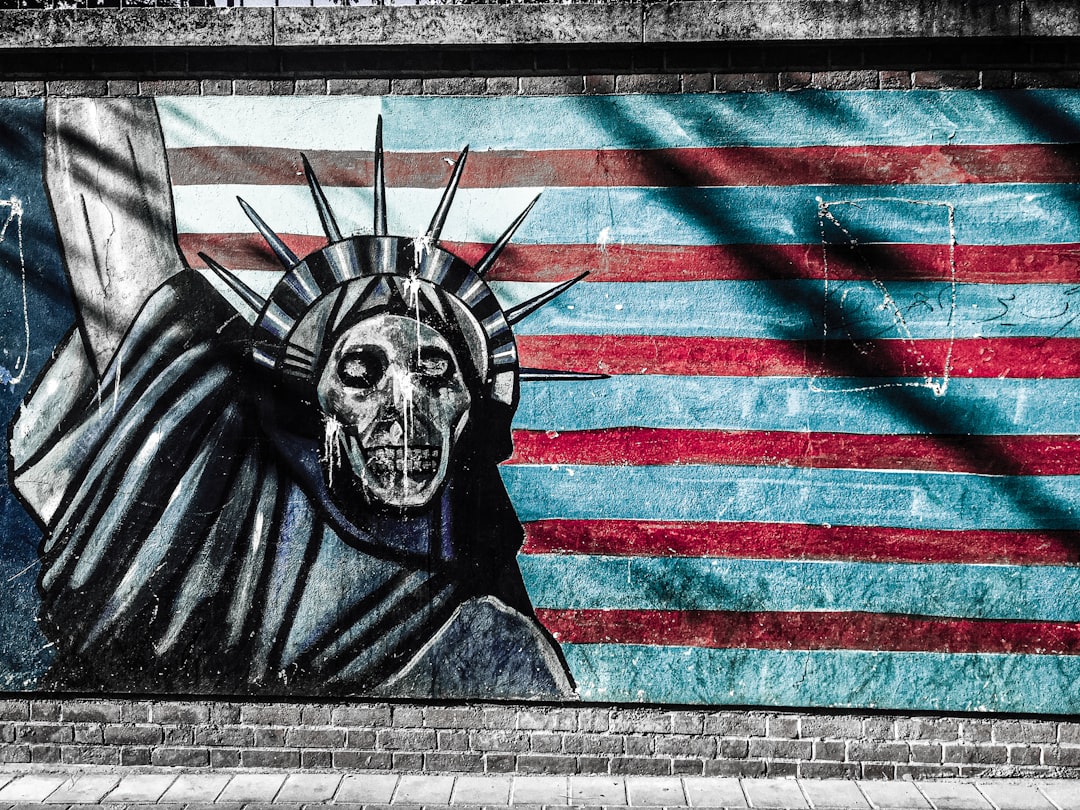
While few modern leaders openly claim fascist beliefs, the strategies and rhetoric pulled from fascism’s playbook are occasionally visible in mainstream politics, particularly during times of crisis. This similarity has kept the term alarmingly relevant.
Why Historical Context Matters
The danger of forgetting or oversimplifying the context in which past fascist regimes emerged is twofold. First, it makes people susceptible to repeating historical mistakes. Second, it can cause exaggerated or inappropriate contemporary comparisons that undermine the gravity of genuine fascist threats.
For example, labeling all right-wing politics as fascist ignores the diverse ideological spectrum within conservatism. Conversely, ignoring early warning signs—like increasing xenophobia and the dismantling of institutional checks and balances—can help normalize authoritarian shifts before they lead to systemic harm.
The historical context acts like a diagnostic tool: by recognizing patterns from the past, societies can more accurately identify when democratic institutions are in jeopardy.
The Role of Education and Media
In shaping contemporary views on fascism, education and media play a pivotal role. Schools that emphasize critical thinking, historical awareness, and civic responsibility equip future generations to spot authoritarian tendencies early. Meanwhile, media can either challenge or enable these ideologies.
Problems arise when misinformation flourishes or when history is sanitized. For example, portraying fascist leaders solely as effective administrators without acknowledging their crimes distorts public perception and invites historical revisionism.

Several countries now make Holocaust education and totalitarian history a mandatory part of school curricula. This is not only to honor the past but to arm the future against ideological manipulation.
Globalization and the Resurgence of Nationalist Sentiments
In recent years, the rise of nationalist movements across Europe, Asia, and even in democratic bastions like the United States, echoes the early conditions that allowed fascism to thrive. Economic anxiety, cultural homogenization fears, and perceived threats from immigration serve as rallying points for populist leaders who may invoke nationalist rhetoric that borders on fascistic ideology.
Social media has added a new dimension, allowing fringe ideologies to gain traction quickly. Algorithms designed for engagement often promote polarizing content, which can favor emotionality over nuance—a classic tool for authoritarian influence.
Hence, one must ask: Is fascism returning, or are we merely seeing a transformation of old ideas into new forms? The answer lies in this very understanding of historical context.
Conclusion
The specter of fascism continues to influence political and social discourse globally. By understanding its origins, rise, and consequences, modern societies can better navigate the challenges posed by similar ideologies today. Education, vigilance, and historical literacy remain the most effective tools in resisting any return to authoritarian regimes reminiscent of 20th-century fascism.
Frequently Asked Questions (FAQ)
-
Q: What is the main difference between fascism and other authoritarian regimes?
A: Fascism uniquely combines ultranationalism, state control, militarism, and often racial superiority as core principles, whereas other authoritarian systems might not rely on these specific ideologies. -
Q: Why is the term “fascist” still used today?
A: The term functions as a warning or accusation against perceived authoritarian or repressive behavior, though its overuse can dilute its historical meaning. -
Q: Were all fascist regimes identical?
A: No. While they shared ideological roots, regimes like Nazi Germany and Fascist Italy had key policy and cultural differences. -
Q: Can fascism happen again?
A: While history doesn’t repeat exactly, the conditions that allowed fascism to flourish—economic despair, fear, propaganda—can reemerge, making it essential to remain historically informed.