
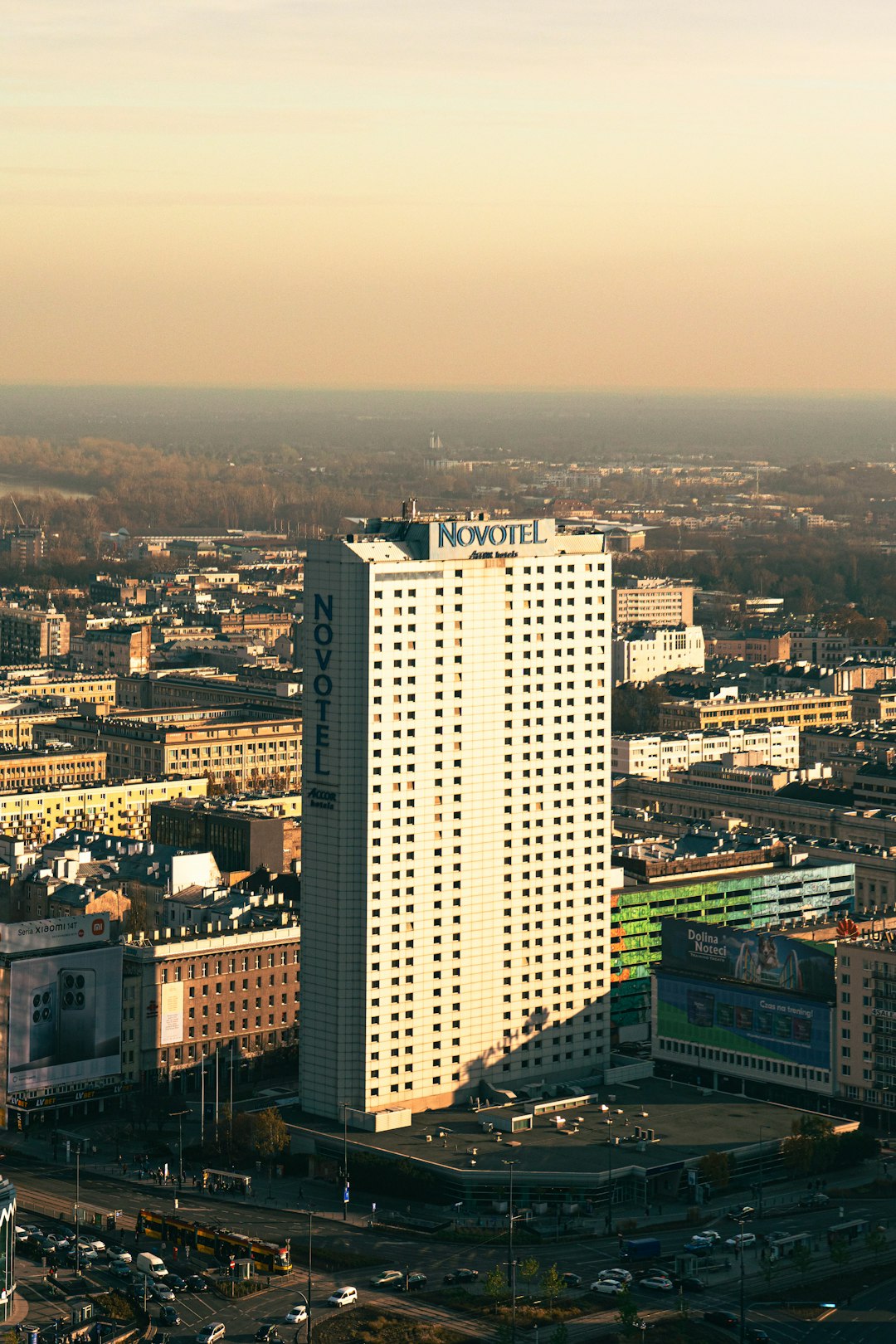
Poland has long been considered one of Europe’s most affordable and dynamic countries, but as 2026 unfolds, the cost of living reflects both its rapid development and broader global economic changes. From bustling cities like Warsaw and Kraków to quieter regional towns, prices have evolved alongside rising wages, infrastructure upgrades, and increased foreign investment. For expats, students, digital nomads, and locals alike, understanding current living expenses is essential for planning a sustainable lifestyle in the country.
TLDR: In 2026, Poland remains more affordable than Western Europe, though costs have risen steadily in major cities. Rent, groceries, and utilities have increased but are still manageable compared to Germany or France. A single person in Warsaw typically needs €1,200–€1,600 per month for a comfortable lifestyle, while smaller cities are significantly cheaper. Salaries have also grown, helping offset inflation and higher housing costs.
Economic Overview in 2026
Poland’s economy continues to be one of the strongest in Central and Eastern Europe. Steady GDP growth, infrastructure development, and growing tech and manufacturing sectors have contributed to rising wages. However, inflation between 2022 and 2024 caused noticeable price increases in housing, food, and utilities, effects that are still visible in 2026.
The average gross monthly salary in Poland in 2026 ranges between 8,000–9,500 PLN (approximately €1,800–€2,100), depending on location and industry. In major cities, skilled professionals in IT, finance, and engineering often earn considerably more.
Housing Costs
Housing remains the largest monthly expense across Poland. Prices differ significantly between major metropolitan areas and smaller cities.

Average Monthly Rent (2026)
- Warsaw (city center, 1-bedroom apartment): 4,000–5,500 PLN (€900–€1,250)
- Kraków, Wrocław, Gdańsk: 3,500–4,800 PLN (€800–€1,100)
- Mid-sized cities (Łódź, Lublin, Białystok): 2,800–3,800 PLN (€650–€880)
- Small towns: 2,000–2,800 PLN (€450–€650)
Rent outside city centers is typically 15–25% cheaper. Demand remains high in Warsaw and Kraków, especially among students and international workers.
If you plan to purchase property, prices continue to rise. In Warsaw, average prices per square meter range from 14,000 to 18,000 PLN, while in smaller cities prices may start around 8,000 PLN per square meter.
Utilities and Internet
Utility costs have stabilized since the energy price spikes earlier in the decade but remain higher than pre-2022 levels.
- Electricity, heating, water, garbage (for 1-2 people): 700–1,200 PLN per month
- Internet (fiber, high speed): 70–100 PLN per month
- Mobile phone plan: 30–60 PLN per month
Heating costs vary significantly depending on the season and whether the apartment uses district heating or gas.
Food and Grocery Prices
Food prices have steadily increased but remain reasonable compared to most Western European countries. Shopping at local markets can still offer savings, particularly for fresh produce.
Image not found in postmetaAverage Grocery Costs (2026)
- Milk (1 liter): 4–5 PLN
- Bread (loaf): 5–7 PLN
- Eggs (12): 12–15 PLN
- Chicken breast (1 kg): 25–32 PLN
- Apples (1 kg): 4–6 PLN
- Potatoes (1 kg): 3–5 PLN
A single person typically spends 800–1,200 PLN monthly on groceries, while a family of four may spend 2,500–3,500 PLN depending on dietary habits.
Dining Out
Poland has developed a vibrant restaurant and café culture. Prices vary based on city and restaurant style.
- Meal at inexpensive restaurant: 35–50 PLN
- Three-course meal for two (mid-range): 180–300 PLN
- Cappuccino: 15–20 PLN
- Fast food combo meal: 28–35 PLN
Street food and milk bars (bar mleczny) remain affordable options for budget-conscious diners.
Transportation Costs
Public transportation in Poland is efficient and affordable, especially in cities with well-developed tram and bus systems.
- Monthly public transport ticket: 110–180 PLN
- Single ticket: 4–6 PLN
- Gasoline (1 liter): 6.50–7.50 PLN
Owning a car increases expenses significantly when insurance, maintenance, and parking fees are considered. However, many city residents rely exclusively on public transport.
Image not found in postmetaHealthcare and Insurance
Poland offers public healthcare funded through social contributions. Employees generally have coverage included in their salary deductions. However, waiting times for specialists can be long.
As a result, many residents choose private healthcare subscriptions:
- Private health subscription: 150–400 PLN per month
- Private specialist visit: 200–350 PLN
Private care is still relatively affordable compared to Western Europe and offers much shorter wait times.
Education and Childcare
Public education is free, but private schools and international schools can be expensive.
- Private kindergarten: 1,200–2,500 PLN per month
- International school: 30,000–70,000 PLN per year
Poland continues to provide government child benefits, which help families offset some living costs.
Entertainment and Leisure
Poland offers affordable cultural and recreational activities compared to much of Europe.
- Gym membership: 120–200 PLN per month
- Cinema ticket: 25–35 PLN
- Theater ticket: 80–200 PLN
Weekend travel within Poland is also budget-friendly thanks to affordable train and bus connections.
Average Monthly Budget Overview (Single Person)
Here’s a general breakdown for a person living in Warsaw:
- Rent (1-bedroom): 4,500 PLN
- Utilities: 900 PLN
- Groceries: 1,000 PLN
- Transport: 150 PLN
- Dining & leisure: 800 PLN
- Miscellaneous: 600 PLN
Total: Approximately 7,950 PLN (€1,750)
In smaller cities, this total may drop to 5,000–6,000 PLN monthly.
How Poland Compares to Other European Countries
Even with recent increases, Poland remains more affordable than many Western European nations.
- Rent: 40–60% cheaper than in Germany or France
- Dining: Roughly 30–50% cheaper
- Public transport: Significantly cheaper
- Groceries: Slightly cheaper or comparable depending on product
However, wages are also lower, meaning purchasing power varies depending on your income source.
Is Poland Expensive in 2026?
The answer depends on perspective. For locals earning average Polish salaries, rising housing prices pose challenges, particularly in large cities. For remote workers earning Western European or North American wages, Poland remains highly affordable while offering excellent infrastructure, safety, and quality of life.
Major cities feel increasingly international and dynamic, while smaller towns maintain lower costs and a slower pace of life. Lifestyle choices—particularly housing and dining habits—greatly affect monthly expenses.
Final Thoughts
In 2026, Poland strikes a balance between affordability and modern European living standards. While costs have risen over the past five years, the country still offers strong value compared to much of the European Union. Reliable public transport, relatively accessible healthcare, vibrant cultural life, and growing career opportunities make it an attractive destination.
Whether you are considering relocation, remote work, study, or long-term settlement, planning a realistic budget is essential. With thoughtful spending, Poland remains a place where you can enjoy high quality of life without Western European price tags.