

Modern artificial intelligence systems are only as reliable as the data that fuels them. While machine learning teams have mastered version control for code using tools like Git, data has remained a far more chaotic asset—constantly changing, growing, and evolving across environments. This is where AI dataset versioning platforms like LakeFS are transforming the landscape. They bring Git-like principles to data, enabling teams to manage, reproduce, and scale complex data pipelines with confidence.
TLDR: AI dataset versioning platforms such as LakeFS help teams manage data pipelines by applying Git-like version control to large datasets stored in data lakes. They improve reproducibility, collaboration, rollback capabilities, and experimentation. These tools are critical for machine learning projects where consistent, traceable data is essential. Without dataset versioning, scaling AI workflows becomes inefficient and risky.
As organizations scale their AI efforts, managing data pipelines becomes increasingly complicated. Datasets are rarely static—they are cleaned, enriched, filtered, split, merged, and transformed continuously. When something goes wrong in production, one pressing question often emerges: Which version of the data did the model train on?
AI dataset versioning platforms answer that question elegantly.
Why Dataset Versioning Matters in AI
Traditional software engineering has long relied on version control systems like Git to track code changes. But unlike code, datasets:
- Are often massive (terabytes or petabytes)
- Change frequently due to new data ingestion
- Pass through multiple pipeline stages
- Are shared across teams and environments
Without proper versioning, teams struggle with:
- Reproducing model training results
- Debugging data quality issues
- Auditing compliance-sensitive pipelines
- Coordinating collaboration between data engineers and ML engineers
Imagine training a model in January and discovering in March that performance has degraded. If the dataset has evolved and no snapshot exists, pinpointing the cause becomes nearly impossible.
This is precisely where platforms like LakeFS provide a powerful safety net.
What Is LakeFS?
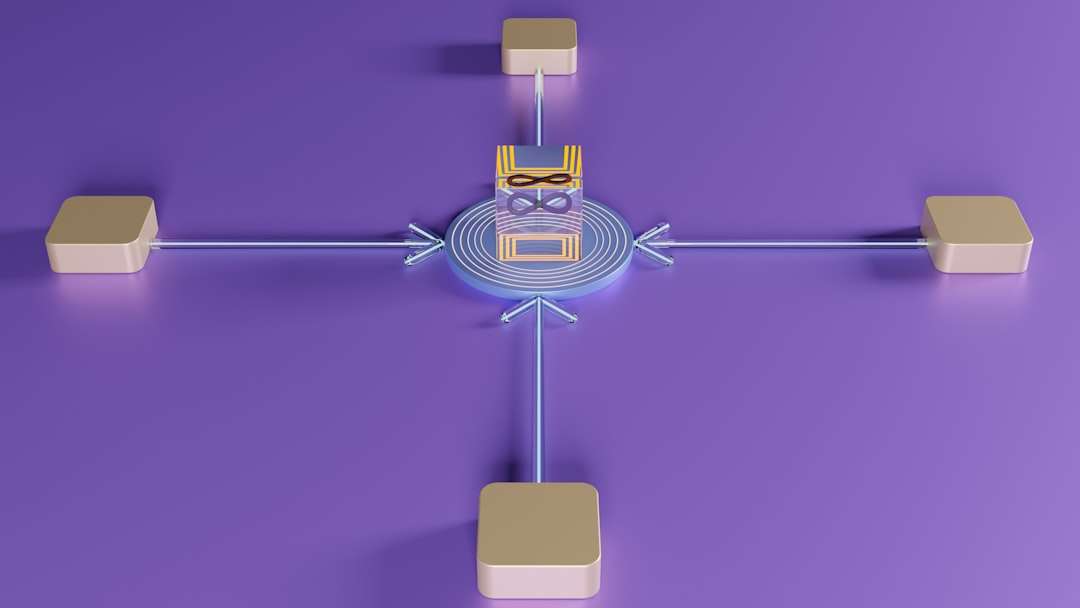
LakeFS is an open-source data versioning layer that sits on top of object storage systems such as Amazon S3, Google Cloud Storage, or Azure Blob Storage. It introduces Git-like concepts—branches, commits, and merges—to large-scale datasets.
Here’s how it works in simple terms:
- You store data in a cloud data lake as usual.
- LakeFS overlays a versioning system on top.
- You create branches when experimenting with new data changes.
- You commit changes once validated.
- You merge approved datasets into production.
No more copying entire datasets for experimentation. No more confusion about which snapshot was used. Everything becomes traceable and reversible.
Core Benefits of AI Dataset Versioning Platforms
1. Reproducibility
Reproducibility is foundational in AI. With dataset versioning, every model training run can reference an exact data commit. This ensures:
- Experiments can be repeated
- Results are verifiable
- Regulatory audits are simpler
2. Safe Experimentation
Branching allows teams to test transformations without impacting production workflows. If an experiment fails, it can be discarded instantly—no messy rollbacks required.
3. Faster Collaboration
Just like software development teams collaborate through Git, data teams can:
- Review dataset changes
- Track lineage
- Resolve conflicts systematically
4. Cost Efficiency
Rather than duplicating massive datasets, versioning platforms use metadata tracking and object references. This dramatically reduces storage redundancy.
5. Pipeline Confidence
Data pipelines frequently involve multiple processing jobs. Version control ensures every stage references consistent snapshots, reducing unexpected failures.
How LakeFS Fits into the Modern Data Stack
Modern data stacks typically include:
- Cloud object storage (S3, GCS, Azure)
- Data processing engines (Spark, Flink, Dask)
- Orchestrators (Airflow, Prefect)
- ML platforms (SageMaker, Vertex AI, MLflow)
LakeFS integrates seamlessly because it operates at the storage layer. From the perspective of processing engines, it behaves like standard object storage—with added versioning logic.
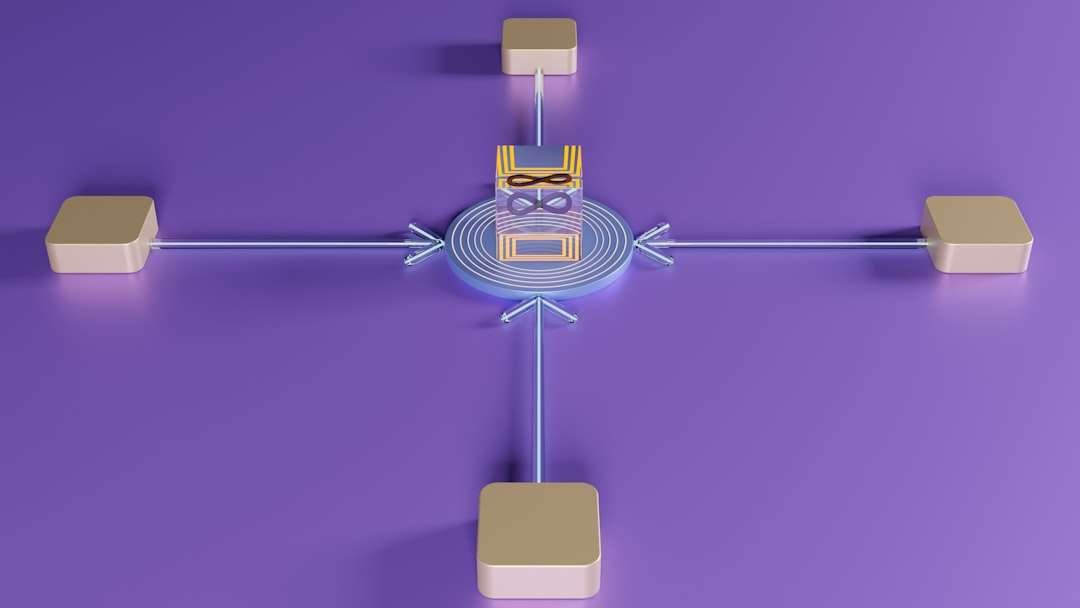
This architecture makes it particularly attractive for enterprises that want minimal disruption while gaining maximum control.
Other Dataset Versioning Tools Worth Exploring
LakeFS isn’t the only player in this growing ecosystem. Several other tools address different aspects of data and ML versioning.
1. DVC (Data Version Control)
An open-source tool that integrates closely with Git repositories. It tracks datasets and machine learning models externally via storage backends.
2. Pachyderm
A robust data pipeline platform that combines container orchestration with version-controlled data processing.
3. Delta Lake
Built on top of Apache Spark, Delta Lake adds ACID transactions and time-travel querying to big data workloads.
4. Quilt
A data cataloging and versioning system focused on collaborative data sharing and governance.
Comparison Chart: Leading AI Dataset Versioning Platforms
| Platform | Primary Focus | Best For | Git-Like Versioning | Integration Level |
|---|---|---|---|---|
| LakeFS | Versioning layer for object storage | Large-scale data lakes | Yes (branches, commits, merges) | Storage-level overlay |
| DVC | ML experiment tracking | Smaller ML teams | Partial (Git integrated) | Repository-level |
| Pachyderm | Data pipeline automation | Kubernetes-heavy environments | Yes | Pipeline-level |
| Delta Lake | Transactional data lakes | Spark-based architectures | Time travel, not Git-style | Table-level |
| Quilt | Data cataloging | Data sharing and governance | Versioning supported | Catalog-level |
Real-World Use Cases
Financial Services
Regulatory auditing requires strict lineage tracking. Dataset versioning ensures compliance teams can trace a model decision back to an exact dataset snapshot.
Healthcare AI
Training on medical imaging datasets demands precise reproducibility. Versioning allows researchers to validate findings under controlled conditions.
Autonomous Systems
Self-driving algorithms trained on sensor data need continuous retraining. Version branches allow experimentation without corrupting production datasets.
E-commerce Personalization
Recommendation engines rely on rapidly changing customer interaction data. Version control enables continuous optimization while preserving historical states.
Best Practices for Implementing Dataset Versioning
Adopting a platform like LakeFS requires thoughtful strategy. Consider these best practices:
- Define branching strategies: Mirror software workflows (feature branches, staging, production).
- Automate commits: Integrate with orchestration tools for consistent snapshots.
- Tag training datasets: Tie model versions directly to data commits.
- Educate teams: Ensure everyone understands versioning concepts.
- Monitor storage costs: Even metadata layers require resource optimization.
The Future of Data-Centric AI
The AI industry is shifting toward a data-centric approach. Instead of focusing solely on model architecture, teams now emphasize data quality, labeling accuracy, and dataset refinement.
As this paradigm grows, dataset versioning platforms will become as indispensable as Git is for software development. They provide the transparency, discipline, and collaboration mechanisms needed to scale AI responsibly.
Future developments may include:
- Native integration with feature stores
- Real-time streaming dataset versioning
- AI-driven anomaly detection within branches
- Automated compliance auditing reports
Conclusion
AI dataset versioning platforms like LakeFS solve one of the most overlooked challenges in machine learning: managing evolving data pipelines at scale. By applying Git-like principles to data lakes, they empower teams to experiment freely, reproduce results reliably, and deploy models with confidence.
In a world where data is constantly evolving, having version control is not just a convenience—it’s a necessity. As AI systems grow more complex and more regulated, platforms like LakeFS will play a foundational role in ensuring data remains structured, traceable, and trustworthy.
Ultimately, successful AI doesn’t just depend on better models—it depends on better data management.