

As regulatory expectations intensify and cyber threats grow more sophisticated, organizations can no longer rely on manual processes to manage data privacy risks. Automated risk assessments have become a cornerstone of modern privacy programs, enabling companies to continuously monitor, evaluate, and mitigate exposure across complex data ecosystems. Data Privacy Management (DPM) platforms now integrate artificial intelligence, workflow automation, and regulatory intelligence to help organizations stay compliant while reducing operational burden.
TLDR: Automated risk assessments are essential for managing modern data privacy challenges. Leading platforms such as OneTrust, TrustArc, BigID, and Securiti provide integrated tools for identifying, assessing, and mitigating risk across data environments. These solutions streamline compliance with global regulations while offering scalability and real-time visibility. Choosing the right platform depends on organizational size, data complexity, and regulatory exposure.
Below are four trusted Data Privacy Management software platforms that stand out for their automated risk assessment capabilities, scalability, and commitment to regulatory compliance.
1. OneTrust
OneTrust is one of the most recognized names in privacy, security, and data governance. Designed for enterprises operating under stringent regulatory frameworks such as GDPR, CCPA, and HIPAA, OneTrust provides robust automation capabilities that significantly reduce manual oversight.
Key Automated Risk Assessment Features:
- Automatic data discovery and classification across cloud and on-premise systems
- Pre-built assessment templates for DPIAs, PIAs, and third-party risk evaluations
- Integrated regulatory intelligence feeds
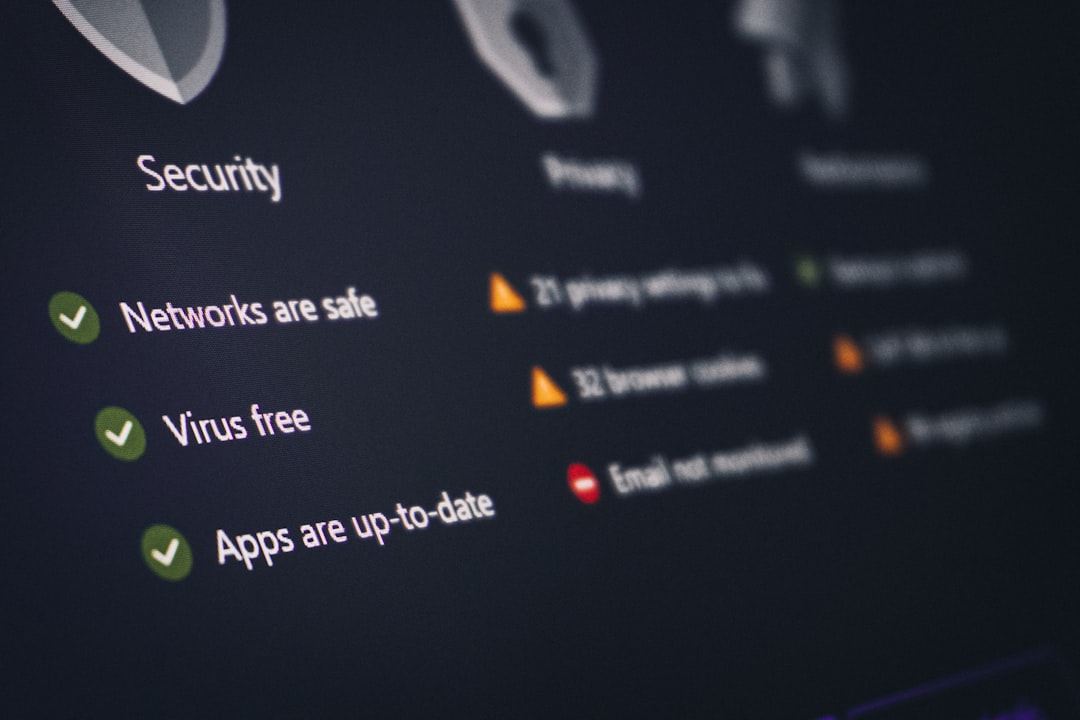
- Centralized risk scoring dashboards with real-time updates
OneTrust leverages AI-driven scanning tools to map data assets and identify sensitive information. Its platform connects privacy impact assessments directly to identified data flows, ensuring that risk analyses are not conducted in isolation. The workflow automation engine reduces bottlenecks by routing tasks to stakeholders based on predefined rules.
Organizations benefit from comprehensive reporting tools that simplify board-level briefings and regulatory inquiries. For large enterprises with multinational operations, OneTrust offers extensive customization and integration capabilities, though it may require considerable setup resources.
2. TrustArc
TrustArc combines regulatory expertise with automation to provide continuous privacy risk monitoring. Known for its assessment management tools, TrustArc emphasizes operational efficiency and structured compliance workflows.
Key Automated Risk Assessment Features:
- Automated privacy impact assessments with dynamic questionnaires
- Vendor and third-party risk automation
- Continuous data inventory synchronization
- Regulatory update alerts integrated into assessment workflows
One of TrustArc’s defining strengths is its intelligent questionnaire engine. The platform adapts assessment questions based on business inputs, reducing redundant queries and focusing on higher-risk areas. This functionality improves accuracy while minimizing disruption to internal teams.
TrustArc also offers robust compliance mapping tools. Privacy teams can directly link assessment results to specific legal obligations, enabling clear documentation for audits. For mid-sized to large organizations seeking structured compliance management without excessive complexity, TrustArc offers a balanced solution.
3. BigID
BigID approaches privacy management from a data intelligence perspective. Its automated discovery and classification engine is particularly effective for organizations handling vast quantities of structured and unstructured data.
Key Automated Risk Assessment Features:
- Advanced AI-driven data discovery across diverse repositories
- Automated risk scoring based on data sensitivity and context
- Data lineage tracking and mapping
- Integration with security incident response tools
Unlike traditional compliance-first platforms, BigID prioritizes deep data visibility. It scans databases, collaboration platforms, data lakes, and endpoints to identify personally identifiable information (PII) and other sensitive data categories. The system then generates risk scores automatically based on exposure levels and regulatory triggers.
This approach allows organizations to move beyond reactive compliance toward proactive risk mitigation. Automated alerts notify privacy teams when new sensitive datasets are discovered or when data access patterns change. For enterprises with complex IT infrastructures, BigID offers powerful scalability.
4. Securiti
Securiti positions itself as a unified data controls cloud platform that integrates privacy, security, governance, and compliance into a single framework. Automation is deeply embedded across its risk assessment modules.
Key Automated Risk Assessment Features:
- Automated data mapping and RoPA (Record of Processing Activities) generation
- Continuous control monitoring and risk remediation workflows
- Built-in regulatory templates covering global jurisdictions
- AI-driven insights for proactive compliance planning
Securiti excels at bridging operational silos. Its platform correlates data intelligence with regulatory mandates and internal policy controls. Risk assessments can be triggered automatically based on new data processing activities, significantly reducing oversight gaps.
Additionally, Securiti provides cross-border transfer assessment tools, a crucial function as international data regulations become more fragmented. Its customizable dashboards offer visibility for executive leadership and compliance officers alike.
Platform Comparison Chart
| Platform | Best For | Automated Discovery | Third Party Risk | Regulatory Coverage | Scalability |
|---|---|---|---|---|---|
| OneTrust | Large global enterprises | Advanced | Comprehensive | Extensive global regulations | High |
| TrustArc | Mid to large organizations | Strong | Robust automation | Strong global coverage | High |
| BigID | Data intensive enterprises | Industry leading AI discovery | Moderate | Broad regulatory mapping | Very High |
| Securiti | Unified governance approach | Comprehensive | Integrated workflows | Global and regional regulations | High |
Key Considerations When Selecting a Platform
Choosing the appropriate Data Privacy Management solution requires a structured evaluation of organizational needs. Automated risk assessments are most effective when supported by accurate data inventories, cross-functional workflows, and executive oversight.
Consider the following criteria:
- Data Complexity: Organizations with large unstructured datasets may prioritize strong discovery capabilities.
- Regulatory Exposure: Multinational corporations require broader jurisdictional coverage.
- Integration Requirements: Compatibility with existing security and governance systems is critical.
- Resource Availability: Some platforms demand extensive configuration and change management.
- Reporting Needs: Executive dashboards and audit-ready documentation can streamline oversight.

It is also advisable to conduct pilot testing and stakeholder consultations before full-scale deployment. The objective is not merely regulatory compliance but sustainable risk governance.
The Value of Automated Risk Assessments
Automation significantly enhances both accuracy and consistency in privacy risk management. Manual assessments are often time-consuming and prone to oversight, especially as data environments evolve. Automated platforms continuously scan for changes, ensuring that new risks are identified in near real time.
Beyond compliance, automated assessments strengthen organizational resilience. By identifying vulnerabilities early, companies can implement remediation strategies before regulatory penalties or reputational damage occur. In an era where data breaches can carry substantial financial consequences, proactive risk management is indispensable.
Core benefits include:
- Reduced human error
- Faster detection of compliance gaps
- Improved audit readiness
- Enhanced cross-department collaboration
- Scalable oversight across global operations
Each of the platforms discussed—OneTrust, TrustArc, BigID, and Securiti—demonstrates how automation can elevate privacy programs from reactive compliance exercises to structured governance frameworks.
Conclusion
Data privacy management has evolved into a strategic imperative for modern enterprises. With expanding regulatory mandates and increasingly complex data infrastructures, automated risk assessments are no longer optional—they are essential. Platforms like OneTrust, TrustArc, BigID, and Securiti offer comprehensive capabilities that align privacy controls with operational workflows and regulatory expectations.
Organizations evaluating these solutions should adopt a long-term perspective, focusing not only on immediate compliance needs but also on scalability and integration. A well-selected platform can serve as the backbone of a mature privacy governance strategy, strengthening both regulatory compliance and organizational trust.
Ultimately, the right Data Privacy Management software transforms privacy from a reactive burden into a proactive strategic advantage.