

In today’s always-on digital landscape, even a few minutes of downtime can translate into lost revenue, frustrated users, and damaged reputation. Whether you’re running a small business website, a growing SaaS platform, or a complex enterprise infrastructure, having reliable monitoring software is no longer optional—it’s essential. The right tool doesn’t just tell you when something breaks; it helps you prevent issues, optimize performance, and stay ahead of security threats.
TLDR: Monitoring software helps businesses track system performance, uptime, and security alerts in real time. The best tools offer customizable dashboards, automated alerts, and deep analytics to prevent downtime and breaches. In this article, we explore five top monitoring platforms—each with unique strengths—and compare them to help you choose the right solution. If reliability and security matter to your operations, these tools are worth serious consideration.
Let’s take a closer look at five powerful monitoring solutions that stand out for their reliability, features, and scalability.
1. Datadog
Best for: Cloud-scale monitoring and deep analytics
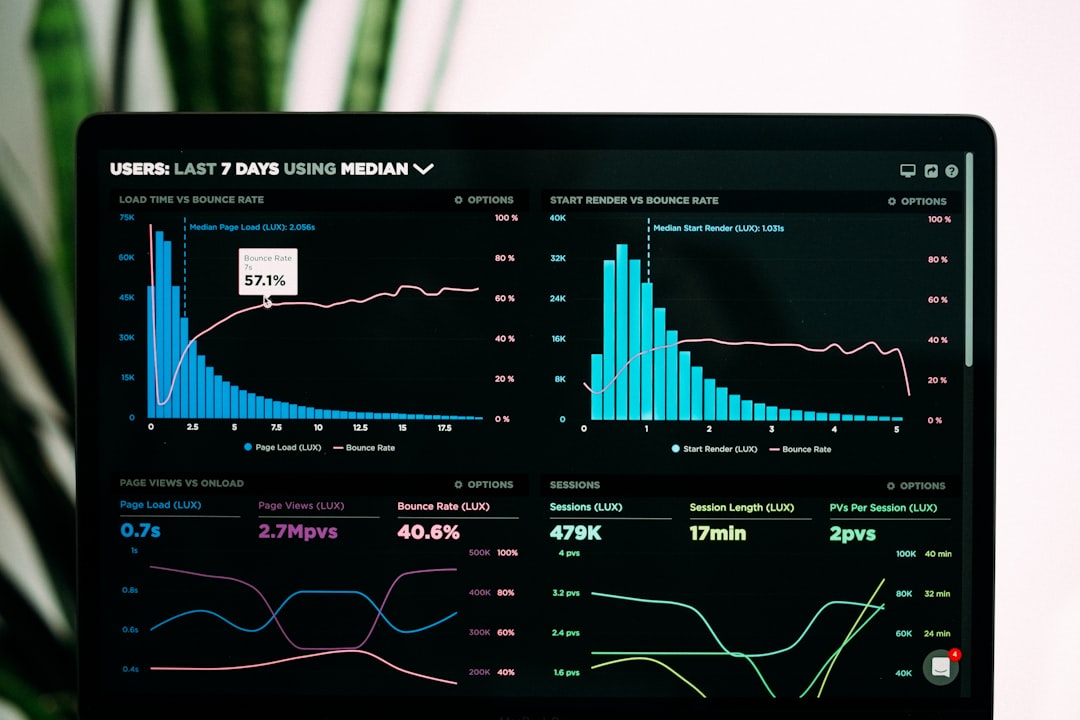
Datadog has become a favorite among DevOps teams and cloud-native organizations. Designed for dynamic infrastructure, it provides end-to-end visibility across servers, containers, applications, and third-party services.
Key Features:
- Real-time performance monitoring across cloud and on-prem environments
- Customizable dashboards with rich visualizations
- AI-driven anomaly detection
- Security monitoring with threat detection rules
- Over 600 integrations (AWS, Azure, Google Cloud, Kubernetes, and more)
Datadog excels at correlating metrics, logs, and traces in one unified interface. This makes troubleshooting faster because you can move seamlessly from a high-level performance overview to granular log data. Its security module also detects suspicious behaviors, helping teams respond quickly to possible breaches.
However, Datadog’s pricing can increase significantly as your infrastructure scales, so it’s important to model costs carefully.
2. SolarWinds Network Performance Monitor (NPM)
Best for: Network-focused uptime and performance monitoring
SolarWinds NPM is a long-standing player in the monitoring space, particularly known for its robust network visibility. It is especially suitable for organizations managing complex, distributed networks.
Key Features:
- Comprehensive network device monitoring
- Advanced alerting and intelligent mapping
- Bandwidth analysis and traffic insights
- Custom performance baselines
- Detailed reporting tools
One of SolarWinds’ strengths lies in its topology mapping. It automatically discovers network devices and builds visual maps that help administrators quickly pinpoint problem areas. This significantly reduces mean time to resolution (MTTR).
While SolarWinds is powerful, it is often better suited for medium to large enterprises due to its setup complexity and resource requirements.
3. UptimeRobot
Best for: Simple and affordable uptime monitoring
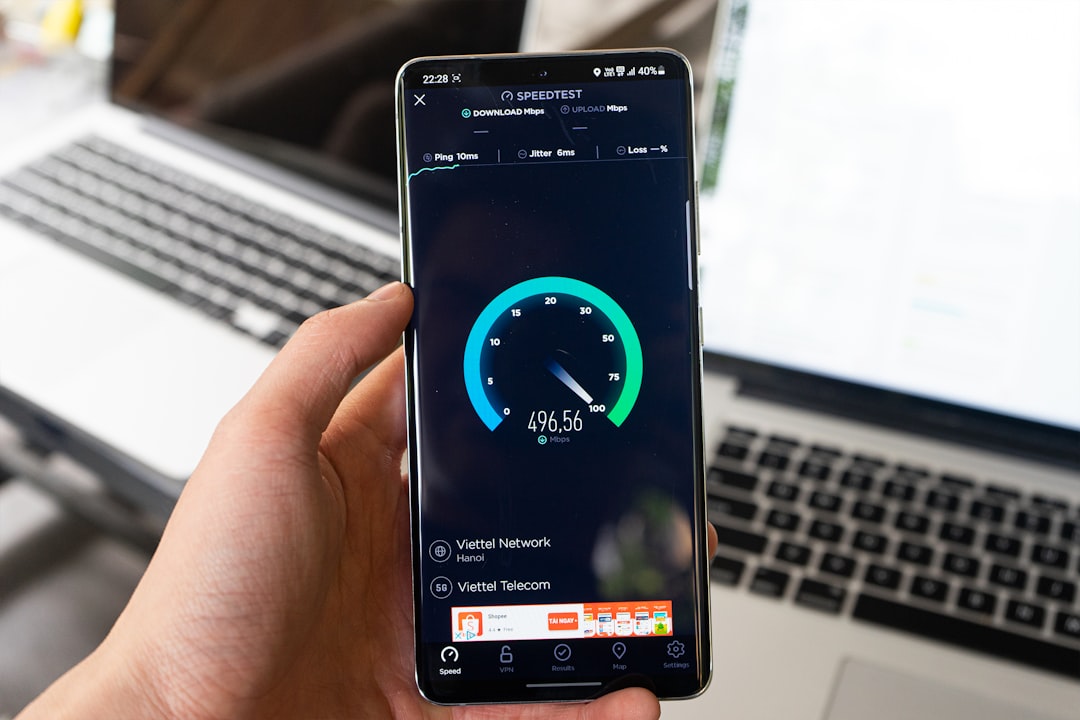
If your primary concern is making sure your website or API stays online, UptimeRobot offers a streamlined and budget-friendly solution. It’s popular with startups, small businesses, and independent developers.
Key Features:
- HTTP, HTTPS, TCP, and ping monitoring
- Status pages for public transparency
- Email, SMS, Slack, and webhook alerts
- Interval checks as frequent as every 1 minute
- Easy setup with minimal configuration
UptimeRobot’s simplicity is its greatest strength. Within minutes, users can monitor multiple endpoints and receive alerts instantly when downtime occurs. It also provides public status pages, which help build customer trust during incidents.
However, it does not offer deep performance analytics or advanced security monitoring like more enterprise-focused platforms.
4. New Relic
Best for: Application performance monitoring (APM)
New Relic is well-known for its powerful application monitoring capabilities. It delivers deep insights into how applications perform at the code level, helping developers identify bottlenecks and optimize user experiences.
Key Features:
- Application performance monitoring with code-level diagnostics
- Distributed tracing for microservices
- Infrastructure monitoring
- Real-time error tracking
- Integrated log management
New Relic shines in environments where user experience is critical. By tracing transactions across distributed services, it becomes easier to identify exactly where delays occur. This is invaluable for e-commerce platforms, SaaS applications, and high-traffic systems.
The licensing model can be complex, but its flexibility allows organizations to scale as needed.
5. ManageEngine OpManager
Best for: Balanced network, server, and security monitoring
ManageEngine OpManager offers a well-rounded feature set that blends performance tracking, uptime monitoring, and security alerting. It’s often chosen by IT teams seeking affordability without sacrificing functionality.

Key Features:
- Server and network monitoring
- VMware and Hyper-V support
- Security event alerts and log management
- Automated workflows for incident response
- Customizable dashboards and reports
OpManager stands out for providing strong monitoring depth at a competitive price point. It also integrates well with other ManageEngine tools for help desk and IT service management, making it attractive for IT departments seeking an all-in-one ecosystem.
Comparison Chart
| Tool | Best For | Performance Monitoring | Uptime Monitoring | Security Alerts | Scalability |
|---|---|---|---|---|---|
| Datadog | Cloud infrastructure | Advanced | Yes | Advanced threat detection | Excellent |
| SolarWinds NPM | Network environments | Advanced (network-focused) | Yes | Moderate | High |
| UptimeRobot | Small websites & startups | Basic | Strong | Limited | Moderate |
| New Relic | Application monitoring | Very advanced (APM) | Yes | Moderate | Excellent |
| OpManager | IT teams & SMBs | Strong | Yes | Strong | High |
How to Choose the Right Monitoring Tool
Selecting the best monitoring platform depends on your infrastructure, team expertise, and business priorities. Here are a few guiding questions:
- Are you cloud-native? Choose a cloud-first solution like Datadog.
- Managing complex networks? SolarWinds or OpManager may be better suited.
- Focused on website uptime? UptimeRobot provides quick and simple coverage.
- Need code-level performance insights? New Relic excels in APM.
- Balancing budget and functionality? OpManager offers strong value.
You should also consider integration capabilities. Monitoring tools are most powerful when connected to alerting systems (Slack, Microsoft Teams), ITSM tools, and cloud providers. Automated alert routing and incident workflows can substantially shorten response times.
The Bigger Picture: Monitoring as a Competitive Advantage
Monitoring software is not just about preventing failure—it’s about optimizing performance and protecting brand trust. Organizations that monitor effectively can:
- Reduce downtime and service interruptions
- Improve application speed and user satisfaction
- Detect anomalies before they escalate
- Strengthen security posture with timely alerts
- Make data-driven infrastructure decisions
In an era where customers expect instant access and seamless experiences, proactive monitoring becomes a business differentiator. Security alerts can stop breaches in their early stages, uptime tracking maintains credibility, and performance insights fuel continuous improvement.
Final Thoughts
Each of the five tools highlighted here serves a distinct purpose, from comprehensive cloud observability to simple uptime checks. The right choice depends largely on your technical environment and monitoring goals.
Datadog and New Relic are ideal for modern, dynamic systems requiring deep analytics. SolarWinds remains a powerhouse for traditional network environments. UptimeRobot offers simplicity and affordability, while ManageEngine OpManager strikes a balance between performance, uptime, and security monitoring.
Ultimately, investing in the right monitoring software today can save countless hours of troubleshooting tomorrow—and may even prevent the next major outage before it happens.