
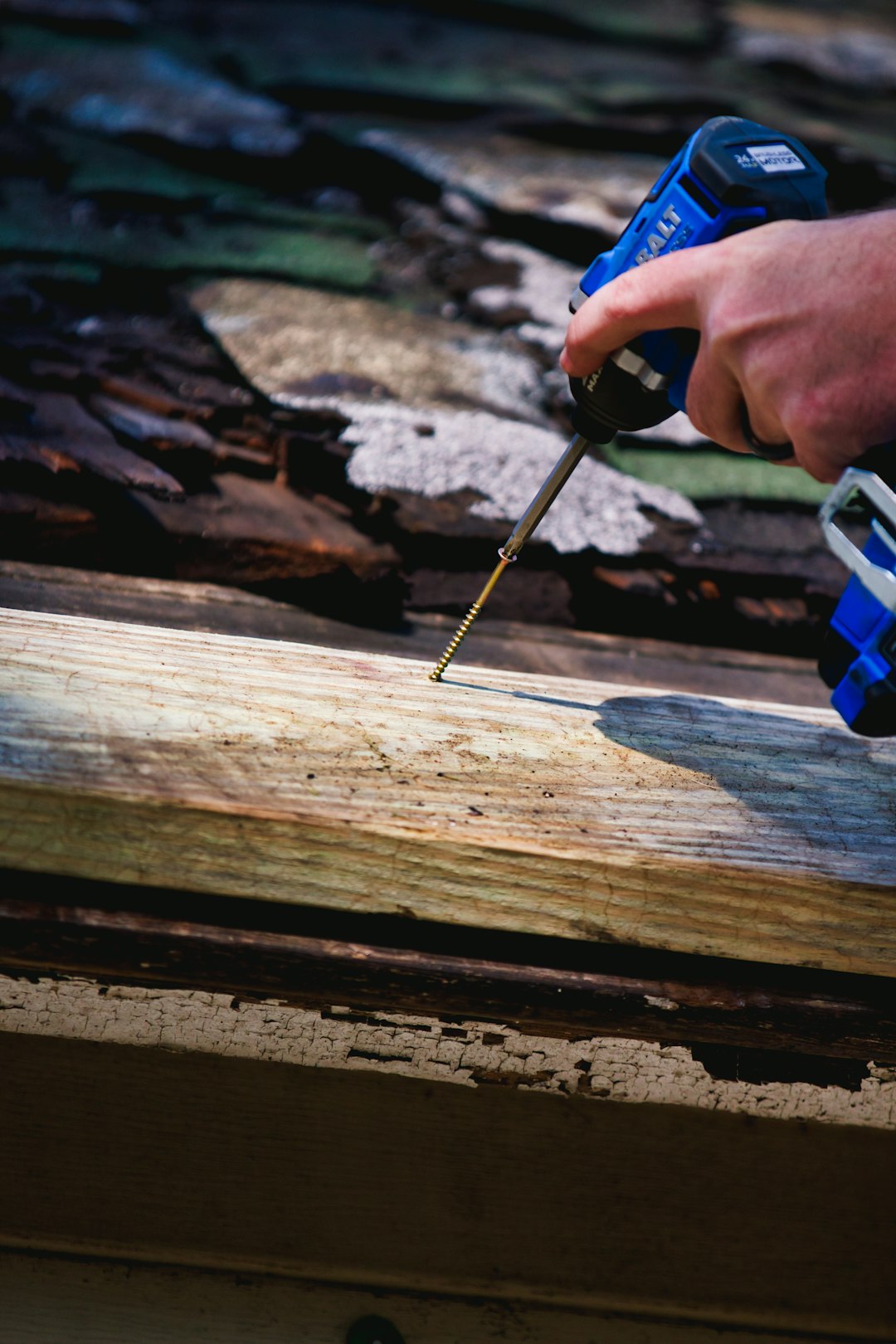
In every craft, from fine woodworking to haute couture, from architecture to culinary arts, there is a moment when raw effort transforms into refined excellence. That moment is defined by acamento—the art and science of perfect finishing. Though often unseen or underappreciated, acamento is the decisive stage that determines whether a creation feels complete, coherent, and masterful. It is where precision meets patience and where functionality merges with beauty.
TLDR: Acamento refers to the final finishing process that elevates a product from good to exceptional. It blends craftsmanship, technical precision, and aesthetic sensitivity to ensure durability, beauty, and satisfaction. Whether in construction, design, manufacturing, or art, mastering acamento creates a lasting impression and defines quality. Perfect finishing is not an afterthought—it is the defining signature of excellence.
Understanding Acamento: More Than Just Finishing Touches
At its core, acamento is about refinement. It involves smoothing surfaces, sealing materials, polishing edges, aligning details, and ensuring harmony between elements. But beyond the physical actions lies a deeper philosophy: finishing is about respect—respect for materials, for process, and for the end user.
Consider the difference between a roughly built wooden table and one that has been carefully sanded, treated, and polished. Both serve the same functional purpose. Yet one invites touch, admiration, and longevity. The difference lies in the acamento.
This final stage often includes:
- Surface treatment (painting, polishing, sealing, coating)
- Edge refinement (trimming, beveling, smoothing)
- Detail inspection (alignment checks, quality review)
- Protective applications (waterproofing, weatherproofing, UV protection)
- Aesthetic adjustments (color correction, texture balancing)
Each of these elements combines technical precision with an artistic eye.
The Science Behind Perfect Finishing
While acamento feels artistic, it is deeply rooted in science. Materials behave differently under pressure, heat, humidity, or friction. A master of finishing understands the chemistry of sealants, the grain of wood, the curing time of concrete, and the drying behavior of paint.
For instance, improper surface preparation can cause paint to peel prematurely. A poorly calculated curing period in concrete finishing can lead to cracking. In metalwork, insufficient polishing may leave microscopic abrasions that lead to corrosion over time.

The science of acamento typically focuses on:
- Material compatibility – Ensuring finishing agents bond properly with surfaces
- Environmental considerations – Accounting for temperature, humidity, and ventilation
- Durability metrics – Measuring resistance to wear, moisture, and stress
- Precision measurement – Using tools to verify smoothness, alignment, and thickness
This scientific awareness reduces defects and enhances longevity, proving that finishing is not cosmetic—it is structural.
The Art of Detail: Where Craftsmanship Shines
If science provides the rules, art provides the sensitivity. Acamento demands an intuitive understanding of balance, proportion, and texture. It asks: Does this surface invite touch? Does this color complement the structure? Does this seam disappear seamlessly?
In architecture, finishing details such as trim work, molding, and façade treatments define the personality of a building. In fashion, internal stitching and hem precision determine not just fit but luxury. In product design, even the subtle curve of an edge influences how comfortable an object feels in the hand.
True artistry in acamento involves:
- Patience to refine repeatedly
- Visual discipline to spot tiny imperfections
- Tactile sensitivity to uneven surfaces
- An uncompromising commitment to excellence
The difference between mediocre and magnificent often lies in millimeters—and in mindset.
Applications Across Industries
Acamento is universal. Though techniques vary, the principles remain consistent across disciplines.
1. Construction and Architecture
In construction, finishing phases include plastering, tiling, painting, floor sanding, and fixture installation. These elements transform a structural shell into a livable, appealing environment.

A building may be structurally sound, but poor acamento—uneven tiles, visible paint streaks, misaligned fixtures—diminishes its value and perception. High-quality finishes enhance:
- Property value
- Occupant comfort
- Energy efficiency (through sealing and insulation)
- Long-term maintenance performance
2. Manufacturing and Product Design
In manufacturing, finishing includes surface polishing, powder coating, anodizing, and assembly refinements. Consumers often judge a product within seconds of handling it. The smoothness of a smartphone frame or the seamless joinery of furniture directly affects perceived quality.
Manufacturers who prioritize acamento often see:
- Reduced returns due to defects
- Improved brand reputation
- Enhanced customer loyalty
- Higher premium pricing potential
3. Automotive Industry
In automotive production, finishing involves not only paintwork but also interior detailing, panel alignment, and coating applications that protect against rust and UV damage. Even luxury vehicles are judged heavily by the quality of stitching, gloss uniformity, and surface consistency.
4. Culinary and Hospitality Arts
Acamento exists even in gastronomy. The final plating of a dish, the polish of glassware, and the arrangement of table settings contribute to a holistic experience. The taste may be exceptional, but presentation elevates it to fine dining.
The Psychology of Perfect Finishing
Humans are highly sensitive to subtle cues. Research in consumer psychology suggests that people subconsciously equate smoothness, symmetry, and precision with reliability and trustworthiness.
When finishing is executed flawlessly, users may not explicitly notice each detail—but they feel the difference. This psychological effect leads to:
- Increased perceived value
- Stronger emotional connection
- Greater satisfaction and trust
Conversely, visible imperfections can create doubt. A single rough edge may cause someone to question the integrity of the entire product.
Common Mistakes in Acamento
Despite its importance, finishing is sometimes rushed due to deadline pressures or budget constraints. This often leads to costly corrections later.
Common mistakes include:
- Skipping surface preparation
- Using incompatible finishing materials
- Ignoring environmental factors during application
- Neglecting final inspection and quality control
- Over-finishing, which can damage materials
Ironically, attempting to save time during finishing often increases total project time due to rework.
The Future of Acamento: Technology Meets Tradition
Advancements in technology are redefining how finishing is approached. Automated polishing systems, laser measurement tools, and advanced coatings improve precision and efficiency. Yet technology does not replace craftsmanship—it enhances it.
Image not found in postmetaInnovations shaping modern acamento include:
- Eco-friendly coatings that reduce environmental impact
- Nanotechnology treatments for increased durability
- 3D scanning systems for detecting micro-imperfections
- Robotic finishing arms for consistent repetition
Still, even with automation, human oversight remains critical. Machines apply; humans evaluate. Judgment, after all, cannot be fully automated.
Mastering Acamento: A Discipline of Excellence
For professionals seeking mastery, developing finishing expertise requires:
- Continuous training in materials and techniques
- Attention to evolving standards and technologies
- Deep familiarity with tools and their calibration
- Patience to refine rather than rush
Mentorship and hands-on practice play vital roles. Many seasoned craftsmen argue that finishing skills are developed not through speed, but through repetition and reflection.
Conclusion: The Signature of Quality
Acamento is both a discipline and a philosophy. It recognizes that greatness is not achieved in bulk construction or initial creation but in final refinement. It acknowledges that endings matter as much as beginnings.
Perfect finishing is invisible when done well—yet unforgettable in its impact. It protects, beautifies, and validates every preceding effort. Whether shaping wood, designing products, painting walls, plating food, or engineering machinery, acamento transforms “completed” into “exceptional.”
Ultimately, mastery of acamento reflects a mindset: a refusal to accept almost-right, a dedication to meticulous detail, and a belief that excellence lives in the final layer. In a world driven by speed, the art and science of perfect finishing remind us that the last step is often the most powerful.