

Cybersecurity used to be something just the IT team worried about. Now, it’s everyone’s problem. From your smart fridge to your phone, everything we use is connected—and vulnerable. Experts have been peering into the future, and their predictions for 2026? Yikes. Let’s break them down so you know exactly what’s coming (and what to watch out for).
TLDR: What You Really Need to Know
- AI-driven attacks and defenses will battle it out in cyberspace like never before.
- Your smart devices are about to get smarter—and riskier.
- Ransomware will hit new, scarier levels.
- The cybersecurity skills gap? Still a huge problem.
1. AI vs. AI: The Cyber Battle of the Future
Artificial Intelligence is already changing cybersecurity. But in 2026, it’s going full sci-fi.
Hackers are starting to use AI to build smarter and faster attacks. Think malware that hides better, phishing emails that sound more human, and bots that can learn your habits.
But don’t panic yet—cyber defenders have AI too. Security programs will analyze user behavior, spot threats faster, and even predict attacks before they happen.
What this means for you: Expect better protection from your antivirus software, but don’t get lazy. The smarter the AI, the sneakier the attack.

2. Ransomware Gets a Creepy Upgrade
Ransomware isn’t new, but 2026 will bring a new flavor: double extortion attacks.
Here’s how it works:
- A hacker locks you out of your files.
- Then they threaten to leak your private data unless you pay up.
That’s double the pressure, double the risk—and unfortunately, double the success rate for hackers.
What’s worse? Hackers won’t just hit big companies. Small businesses, schools, and even individuals will be fair game.
How to prepare:
- Back up your data often.
- Use strong, unique passwords.
- Don’t click on shady links—seriously.
3. The Internet of Things Becomes the Internet of Threats
By 2026, experts estimate more than 75 billion smart devices will be out in the world. That’s not just phones and laptops, but also thermostats, lightbulbs, doorbells, and coffee machines.
Cool, right? Also terrifying.
Most of these gadgets were built for convenience, not security. So, they’re easy targets for hackers.
Imagine a cybercriminal turning off your home’s lights, unlocking your front door, or spying through your smart speaker. Not so convenient now, huh?
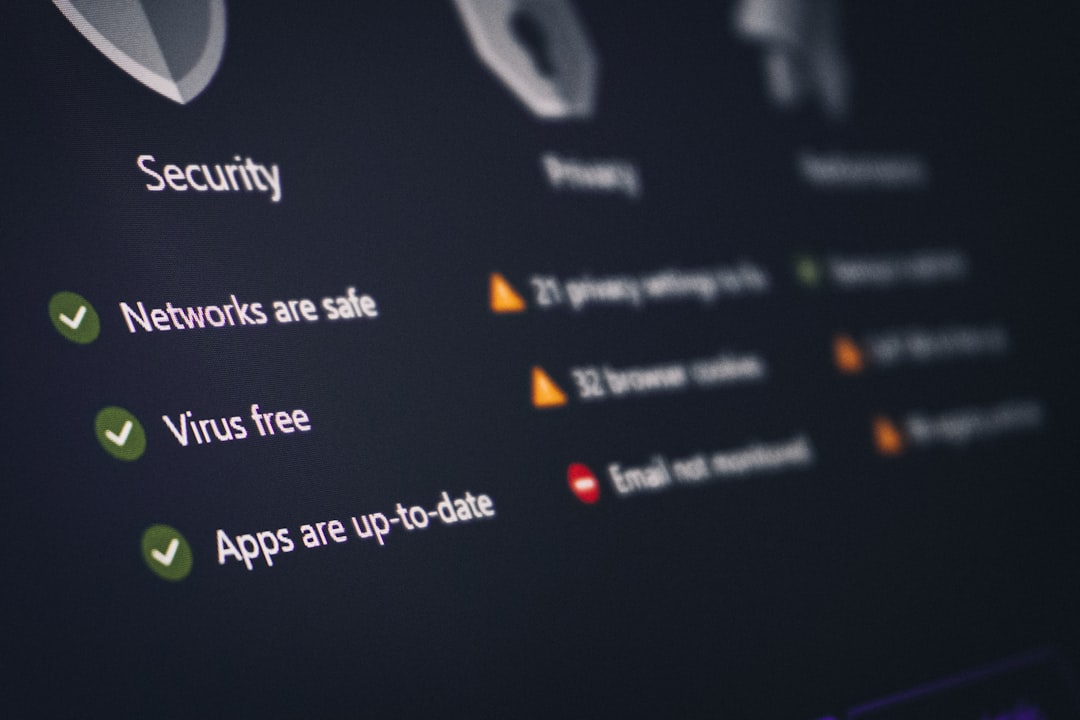
What to do:
- Change default device passwords the moment you set them up.
- Keep your devices updated.
- Be picky about what you connect to the internet.
4. The Rise of Cyberwars
Cyberattacks used to be mostly about money. Now, they’re about power and politics.
Governments around the world are investing in offensive cyber capabilities. That means countries hacking other countries—targeting power grids, financial systems, and even medical infrastructure.
Think of it as the modern version of spy vs. spy, but on keyboards instead of rooftops.
This won’t just affect places far away. A cyberattack in one country can easily ripple out and impact the whole internet.
The wild part? Some of these attacks are already happening—and you may never know until your bank app stops working or your city loses power.
5. The Deepfake Dilemma
By 2026, deepfakes will look shockingly real.
These are digitally manipulated videos that make someone appear to say or do something they never did. Scammers can use them to impersonate your boss, your family, or even a political leader.
Use case you won’t believe (but should): A hacker generates a fake video of your CEO saying, “Send $100,000 to this emergency account ASAP.” The finance team, convinced, hits send.
How to fight back?
- Verify everything. A phone call goes a long way.
- Train your team to spot fake content.
- Stay skeptical of urgent videos or messages without context.
6. The Cybersecurity Skills Shortage Continues
Here’s the awkward truth: there are not enough cybersecurity pros to protect us all.
By 2026, the global shortage is expected to reach millions of unfilled jobs.
That’s scary. But also, it’s an opportunity.
- If you’re tech-curious, consider a career in cybersecurity.
- Companies should invest in training more employees in cyber basics.
- Everyone—yes, even you—should learn how to recognize common scams.
7. Passwords May Finally Die
Let’s be honest—passwords are annoying. And they don’t always work.
By 2026, we might finally see the rise of passwordless logins.
What does that mean?
- Logging in with your face, fingerprint, or voice.
- Using a secure smartphone app to verify your identity.
- Multi-factor authentication replacing those clunky passwords.
Good riddance, “Fluffy123!”
What You Can Start Doing Today
2026 may sound far off, but it’s right around the corner. Cybersecurity isn’t just a tech issue—it’s a personal one.
So here’s your mission:
- Update your software, every time.
- Set strong passwords or use a password manager.
- Enable two-factor authentication wherever you can.
- Be cautious of emails and messages that feel “off.”
- Back up your data—like, now.
Staying cyber-safe isn’t about knowing everything—it’s about doing a few smart things consistently.
Final Thoughts: Trust No One (Sort of)
Alright, that sounds dramatic. But in a world where AI, ransomware, and fake videos rule the web, a little suspicion is healthy.
The good news? Cybersecurity tools are getting better every day. The key is to stay informed, stay alert, and yes—stay a little suspicious.
You don’t need an IT degree to do the basics. Just some common sense, a few good habits, and maybe help your grandma change her WiFi password.
2026 is coming fast. Let’s be ready for it.